


Mohanapriyan Thavarajah
Bharatanatyam Artiste & Founder & Designer, MOHA: Dance Couture by Priyan
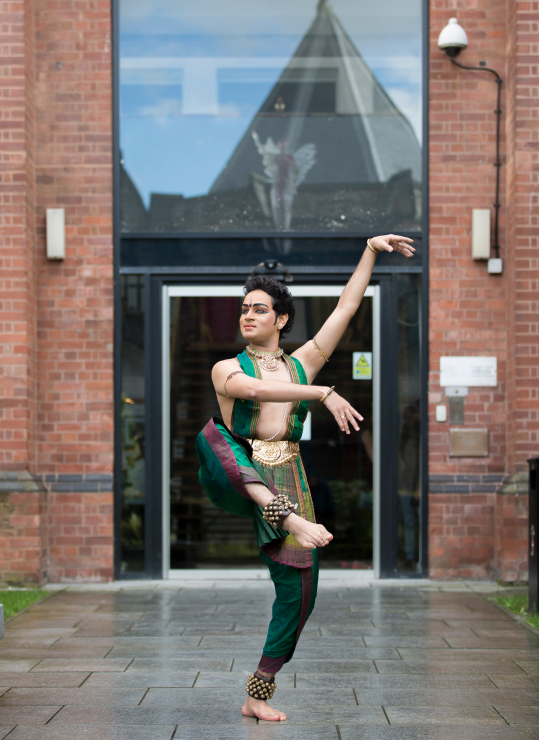
At what point in your journey as a dancer, choreographer, teacher, did you realise that costume design was not just a support role but a creative calling in itself — and what finally pushed you to formalise that into a label – MOHA, by Priyan?
I began dancing at the age of 10, and almost instinctively, I started creating my own costumes then.
In those early years, my biggest challenge wasn’t ideas, it was convincing tailors to bring those ideas to life. But I persisted, and with every attempt, I managed to create pieces that felt true to my imagination. Even through my college years as a dance student, this continued. I never repeated a costume because I believed each one had to be unique, capable of giving the audience an impeccable visual experience, something that could linger in their memory long after the performance ended.
Looking back now, I realise that even then I carried a strong conviction – the fact that a costume for dance is not just about colour and fabric but that it has a voice. It echoes the intention of the piece. I was always curious about how a costume could elevate a dancer’s presence on stage, how it could beautify, empower, and transform, often in unconventional ways.
My costume earned raving reviews from India’s cultural icons like Dr Sunil Kotari, Lakshmi Vishwanathan, Dr Padma Subrahmanyam, but that one moment that affirmed this journey was the response to Rama Vaidyanathan’s solo work Vasantha where I designed her costume.
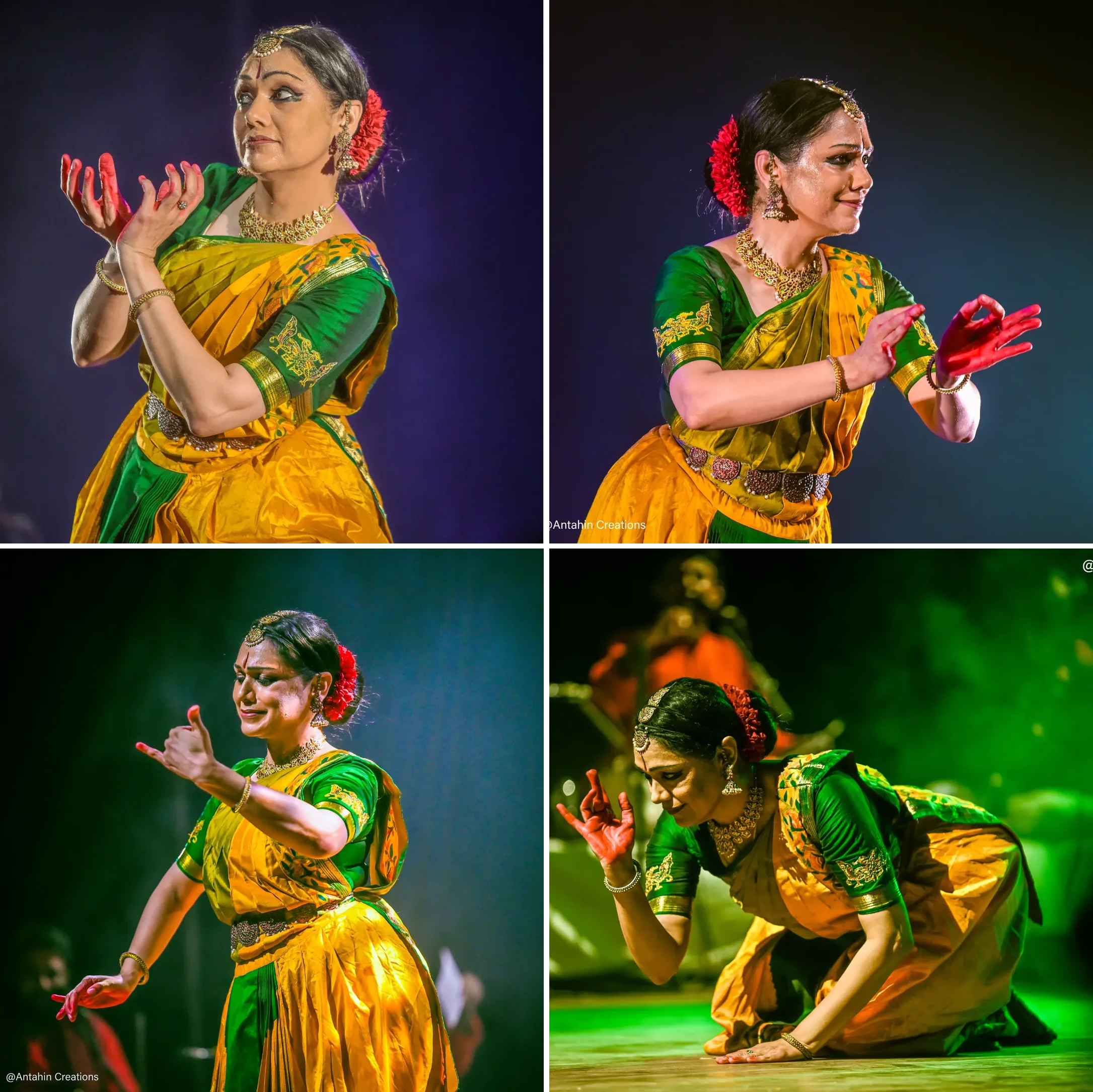
Stills from Rama Vaidyanathan’s Vasantha; costume designed by Mohanapriyan Thavarajah
Audiences began recognising the performance by the costume I designed. People would ask, “Are you performing the piece with the yellow costume?” That simple question made me pause. It was a sign that what I created had an identity of its own, a recall value beyond the choreography.
That is when I understood that costume design wasn’t just something I did on the side but it was a creative calling shaped by emotion. Every piece of dance couture I create is a myriad of emotions stitched into form; it is a beautiful process of watching my inner world come alive
There is a real need in the dance world for costumes, minimal or elaborate, that are aesthetically refined and thoughtfully conceptualised. That has become my niche.
And that is what finally pushed me to formalise my work into a label MOHA by Priyan: the desire to share this passion with the world, like branches extending from a tree of life, each design a new manifestation of the art I hold close to my heart.
MOHA by Priyan describes each costume as “an extension of performance”. When you sit down to create a costume for a dancer, where do you begin — the movement, the character, the music, or the fabric?
When I create a costume, I don’t begin with just a single element — I begin with the dancer.
My first step is to engage the artist in deep, meaningful conversations. I listen to the inspiration behind the work: the storyline, their intention, their interpretation, and the unique choices they have made in the choreography. I study the music, observe the movement vocabulary, and try to understand how the dancer wants the audience to feel.
Once I receive these inputs, I allow them time to settle. I explore related literature, art, poetry, and cultural references — anything that can add depth to my imagination. All of this slowly begins to take shape in what I call my “empty space,” a quiet internal canvas where ideas can form without restriction.

Stills from the many productions Mohanapriyan Thavarajah has designed costumes for
In that space, the costume gradually emerges like a mood board of emotions, colours, textures, silhouettes, and metaphors. I visualise how the garment will move with the dancer, how it will support the narrative, and how it can heighten the audience’s sensory experience without overwhelming the choreography.
So, in truth, I begin with everything from movement to character, music, intention but they all channel through the dancer. Only then do I choose the fabric, palette, and structure that allow the costume to become an extension of the performance itself.
When the final piece is made and worn, I see it as the dancer’s second skin offering the needed complexion, quiet refinement, and sophisticated elegance that define my design philosophy.
You bring something most costume designers don’t — the lived experience of inhabiting a costume on stage. How has being a dancer yourself shaped the way you think about design?
As a dancer, what shapes my design is sensibility, a deep conviction about the way I practise my art and how the audience receives it. On stage, everything must have purpose. Without that, nothing truly reaches the hearts of the thousands of eyes watching you.
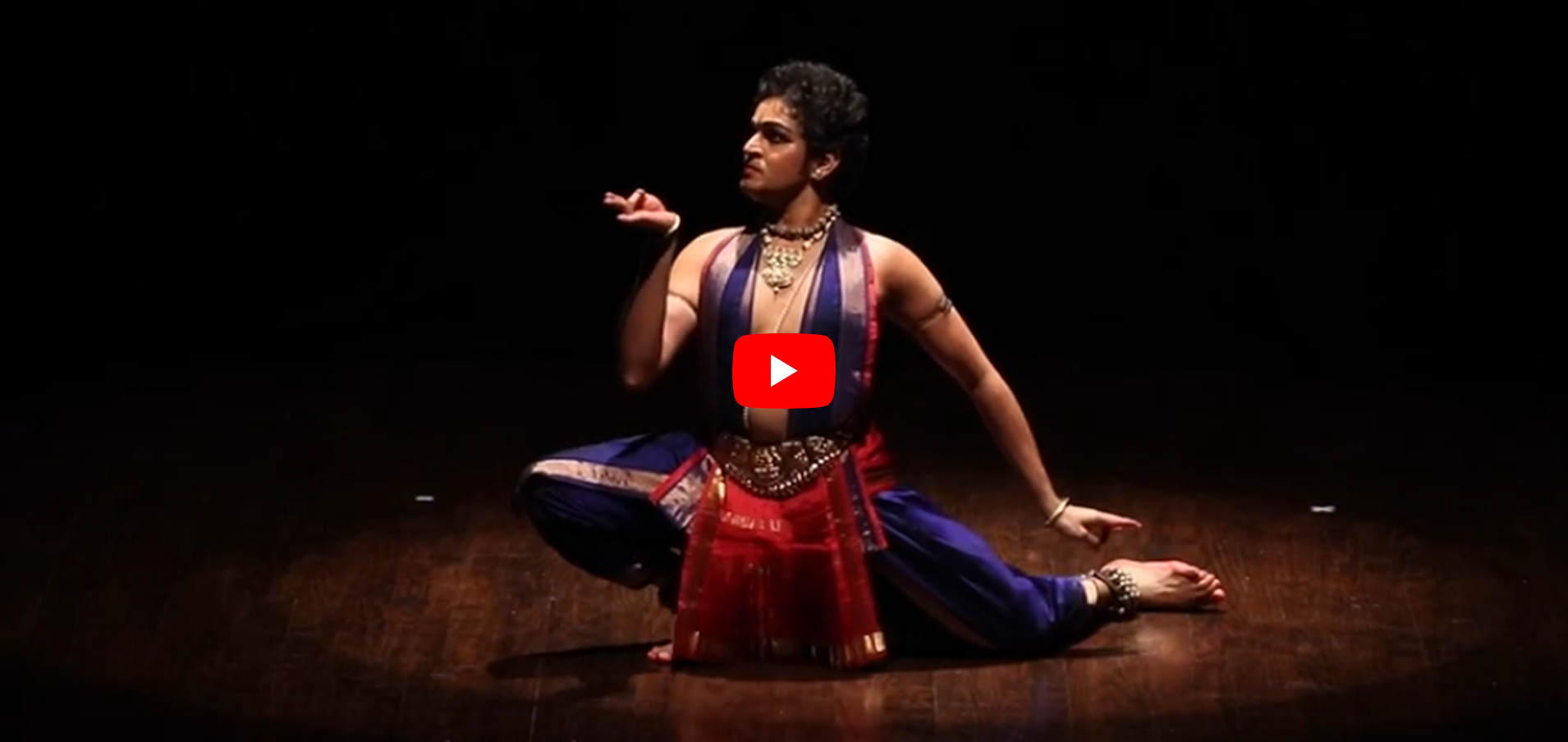
Mayura Alarippu by Mohanapriyan Thavarajah
For me, the process of dance and costume run in parallel. They share the same intention, the same emotional truth. Because I have lived inside a costume, I felt its weight, its movement, its restrictions and freedoms. I design with an instinct that goes beyond aesthetics. I understand what enhances presence and what distracts, what empowers a dancer and what limits them.
If my costumes can be emotionally felt by the audience and by the dancer wearing them, that becomes my signature. There is much more to this process, but some things I like to reserve for real conversations with my future collaborators - the intimate nuances that make each creation special and personal.
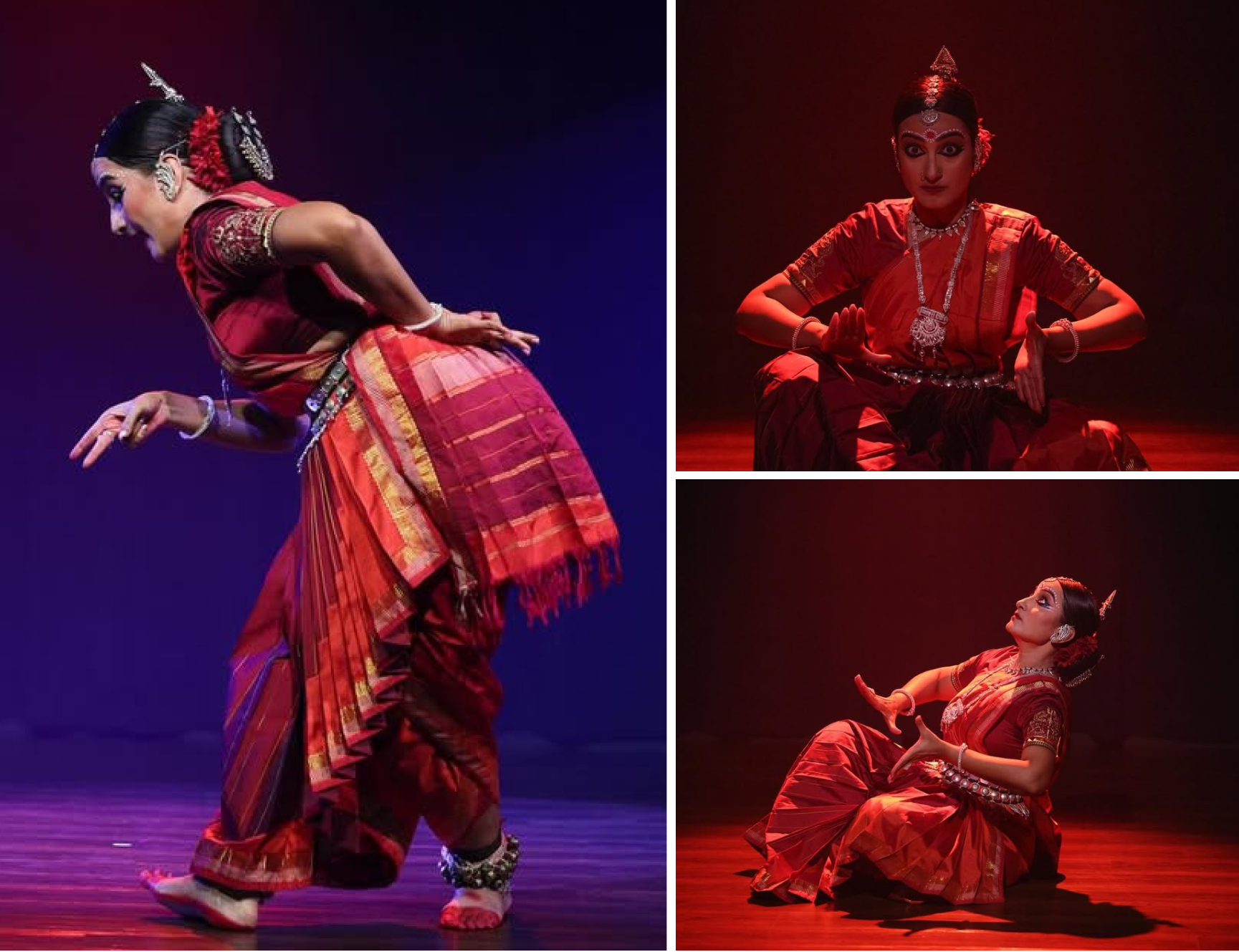
Stills from production Kali by Soumee De Girotra; costume designed by Mohanapriyan Thavarajah
You have designed costumes for several Apsaras Dance Company productions, including AnuRadha and ARISI: RICE. Could you walk us through what the design brief looked like for one of these — and how the costume storytelling evolved alongside the choreographic vision?
My approach to costume design shifts from production to production because every work carries its own universe. I always strive to preserve the authenticity, aesthetic, and emotional truth of that world rather than relying on familiar cliches.
When a work involves cross-cultural collaboration, it opens entirely new pathways of exploration. For Anjaneyam, for instance, where we collaborated with Javanese dancers, one of the most intriguing discoveries was how heritage and character could be expressed through the motifs of Javanese batik. Marrying these sensibilities with Indian textiles resulted in a fresh vocabulary and a unique visual voice for the production.
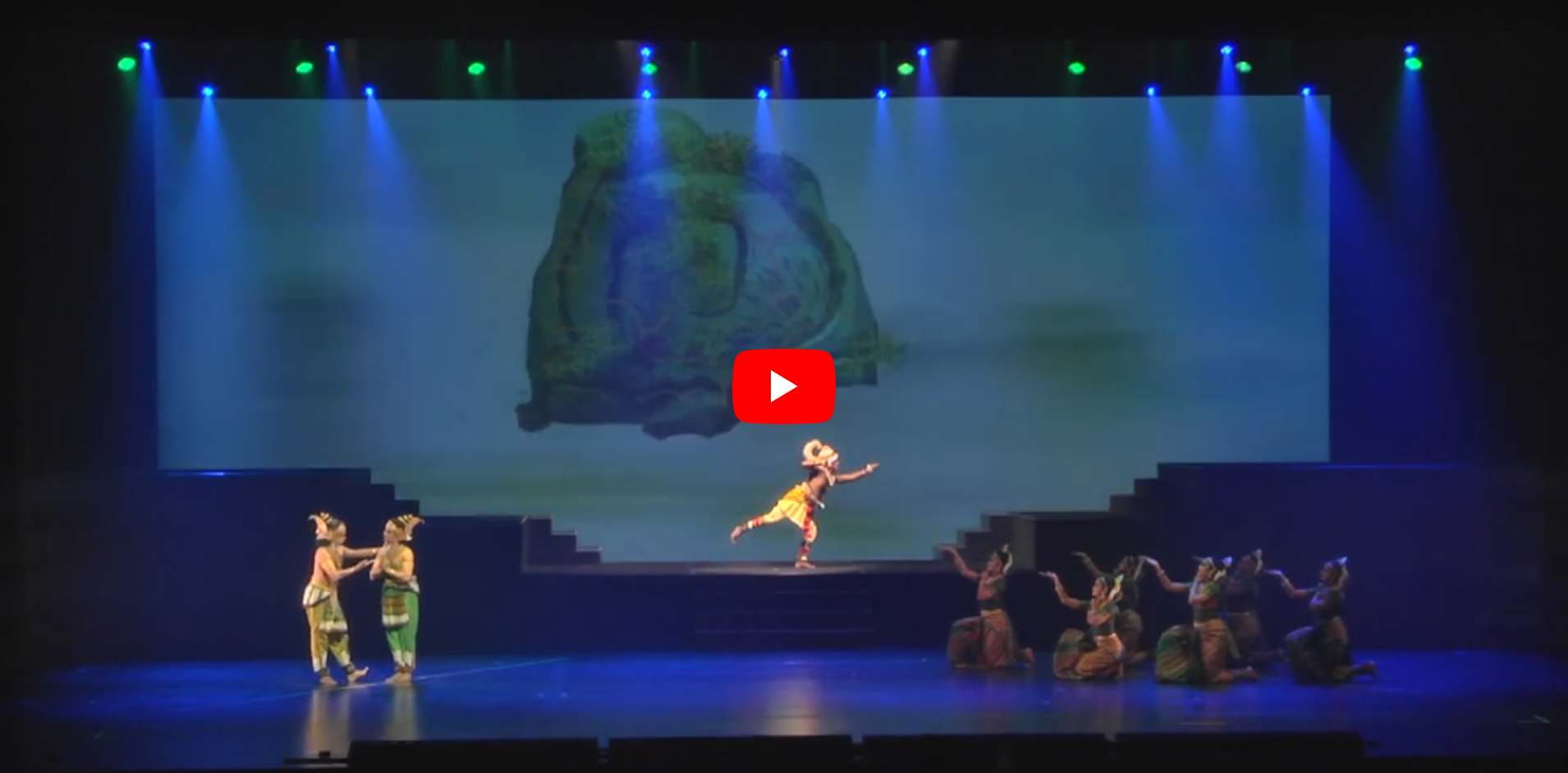
An excerpt from Anjaneyam: Hanuman’s Ramayana by Apsaras Dance Company; costumes by Mohanapriyan Thavarajah
Similarly, in ARISI, my collaboration with Balinese dancers introduced me to the double-note ikat fabric known in India but also intricately woven in Bali. Imagining unconventional costume designs using this ikat to converse with Bharatanatyam aesthetics became a fascinating process of improvisation and innovation.
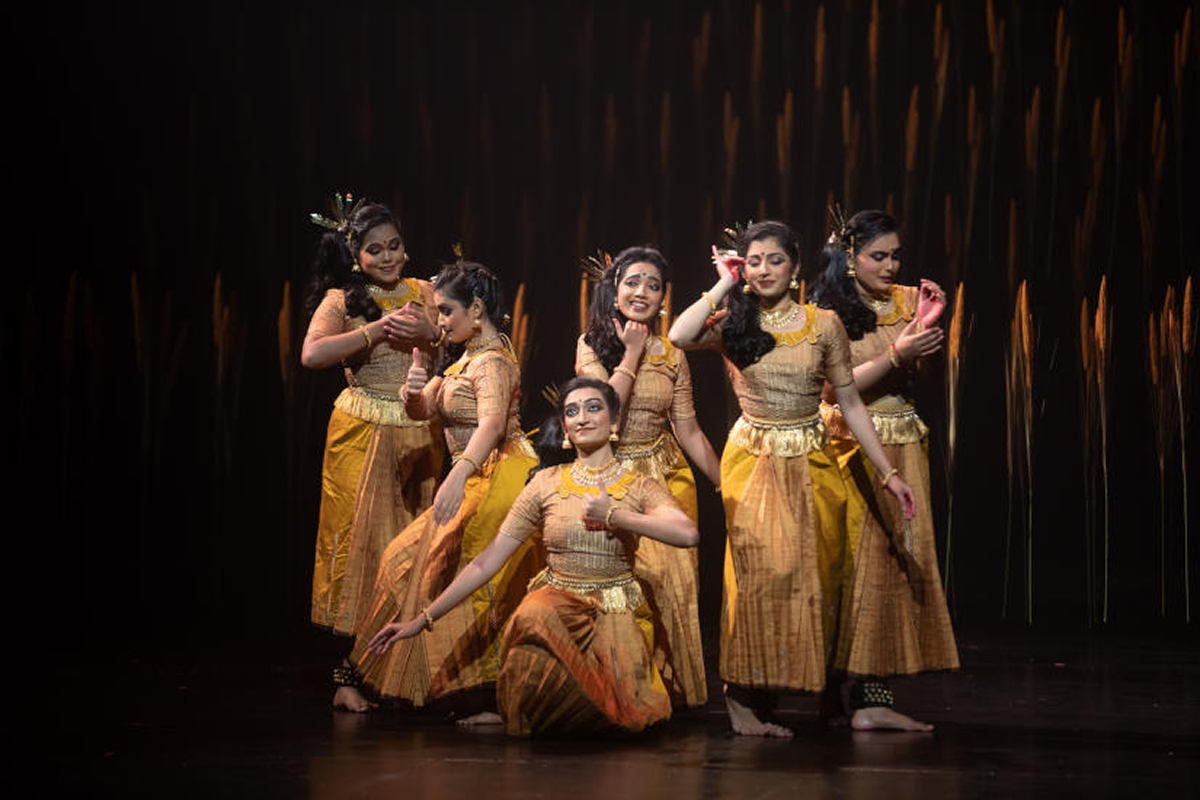
A still from Arisi: Rice The Grains of Life; costumes designed by Mohanapriyan Thavarajah
When designing for AnuRadha, I resisted the tendency to define Radha through preconceived colours such as blue. Instead, I delved into the inner life of the character, her emotional landscape, her spiritual resonances. From that enquiry emerged a palette of colours that later materialised into fabrics, allowing the motifs and textures to echo her subtler emotional and metaphysical dimensions.
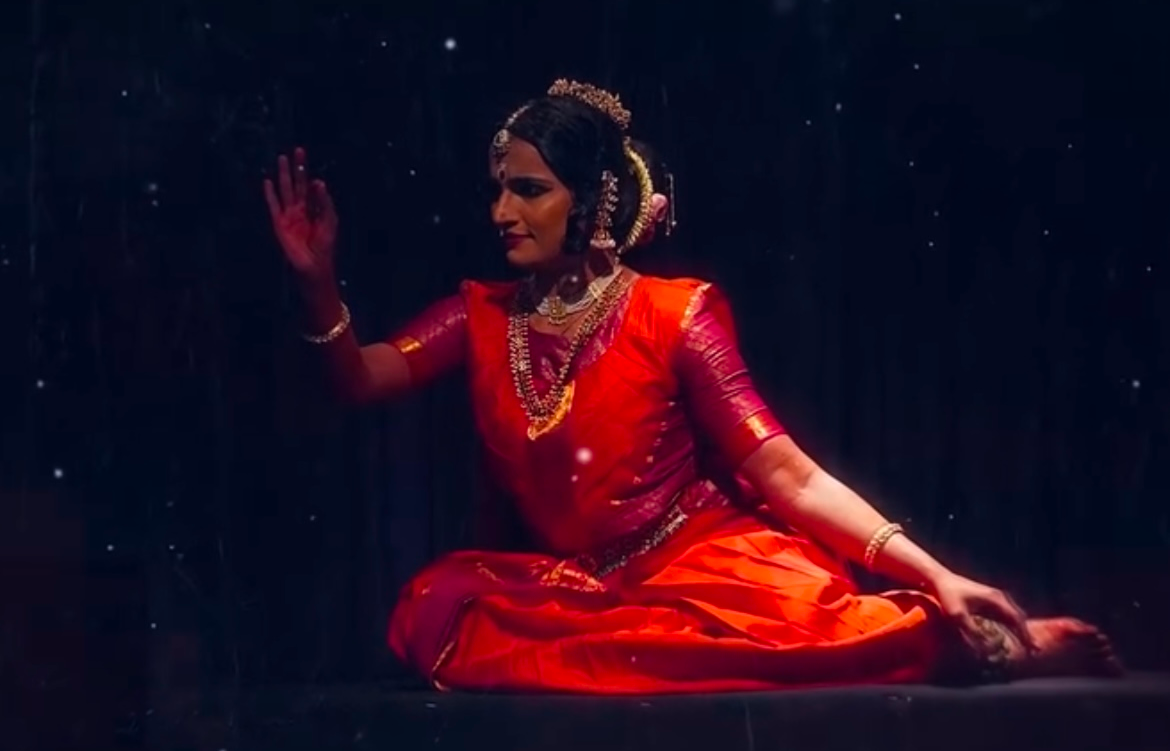
A still of Radha from Anuradha, a production by Apsaras Dance Company; costumes designed by Mohanapriyan Thavarajah
One of my strengths lies in visualising a costume long before it takes physical form. I allow myself an extended phase of creative improvisation - refining, discarding, reimagining until the design reaches the emotional core I seek. I do not rush this process, because for me, costume design is driven not merely by materiality, but by the emotional resonance the costume must carry.
This is how my costume storytelling evolves: as the choreography grows and deepens, the costume grows with it. It becomes not just an attire, but a companion to the dancer - a silent partner in their journey on stage.
What does dressing another artist teach you about your own artistry?
Dressing another artist has taught me the importance of being an honest collaborator, someone who respects their intention, integrity, and choices. For any artist, a costume is deeply personal; it shapes how they feel, move, and present themselves on stage.
So, designing for another dancer comes with a great responsibility. I must ensure that their artistic identity remains intact while my creativity supports, elevates, and never overshadows them. Finding that balance has refined my own artistry. It reminds me that creation is not just about expressing myself, but about empowering another artist to express their truth.
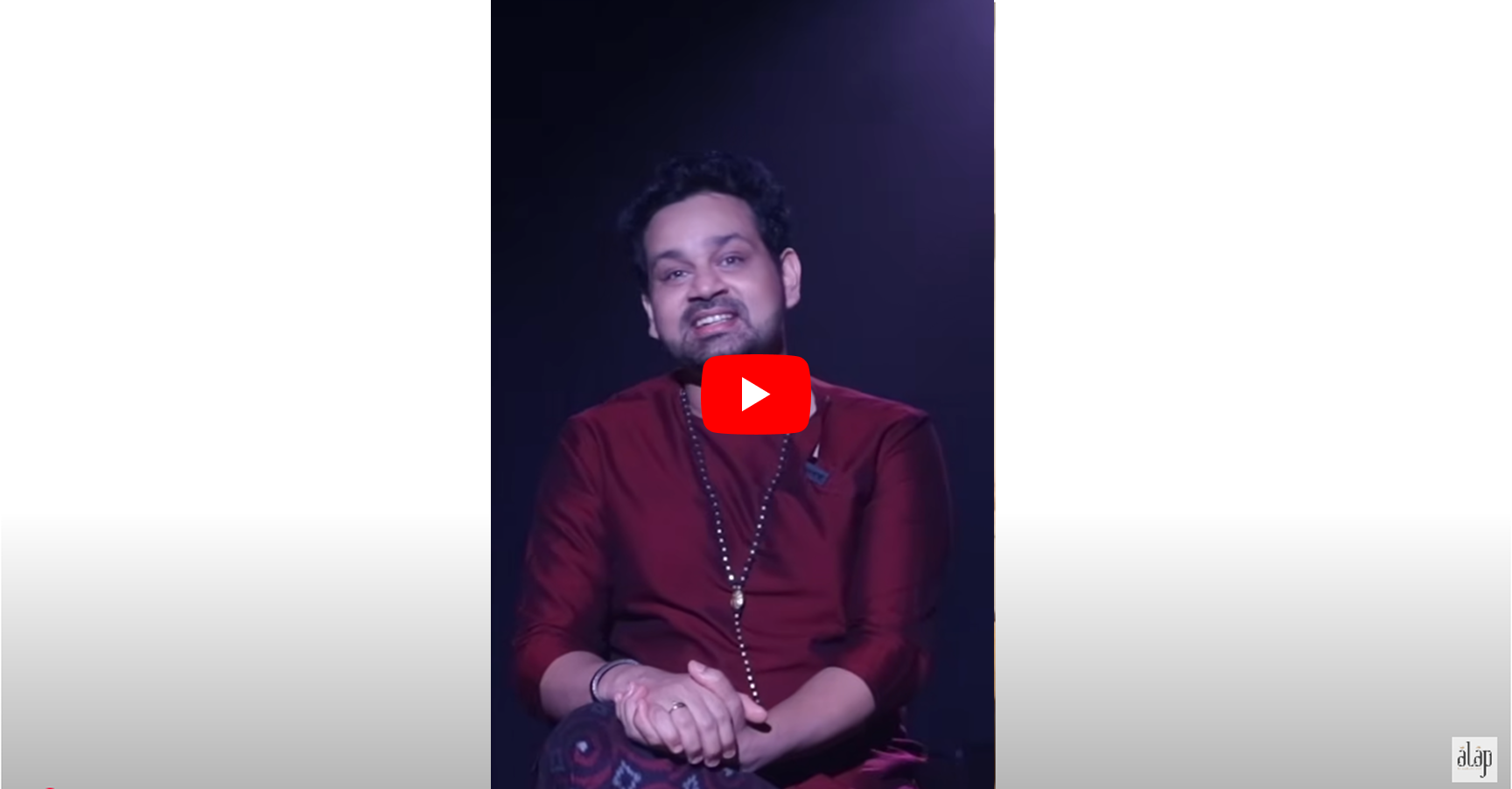
Watch Mohanapriyan Thavarajah respond to the question above
Your label caters to classical, contemporary, and dance-theatre works. These are aesthetically very different worlds. How do you hold that range without losing a distinct MOHA identity?
Across classical, contemporary, and dance-theatre works, the aesthetics may differ widely but the MOHA identity stays anchored in one core principle: sophisticated intention, and nuanced expression. Whether I am creating something minimal or something elaborate, the design must hold a certain proposition, a quiet refinement that is unique to my brand.
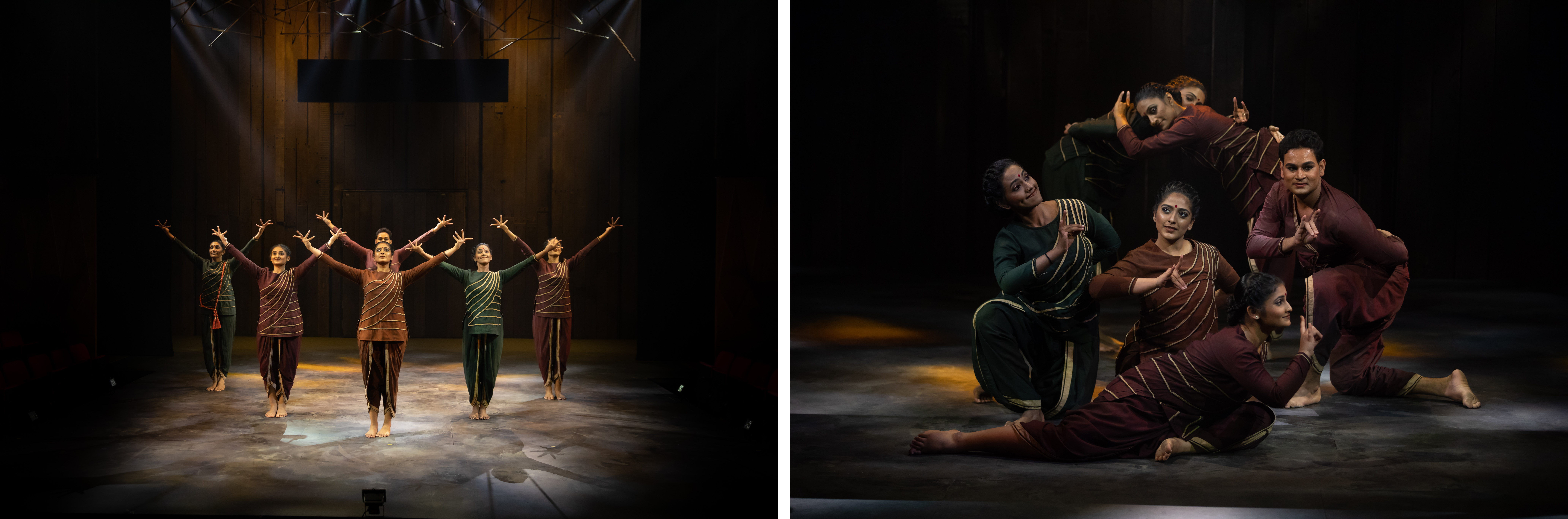
Stills from the Apsaras Dance Company’s production, Agathi: Refugee; costumes designed by Mohanapriyan Thavarajah
I don’t believe in excess for the sake of excess. For example, I rarely use loud gold borders but I may embrace the suggestion of gold, a thin line or a subtle highlight, when it serves the work. That restraint, that sense of proportion, is what keeps MOHA recognisable.
Much of your choreographic work has involved collaborations across South and Southeast Asian cultural contexts. How has that cross-cultural exposure influenced your design aesthetic?
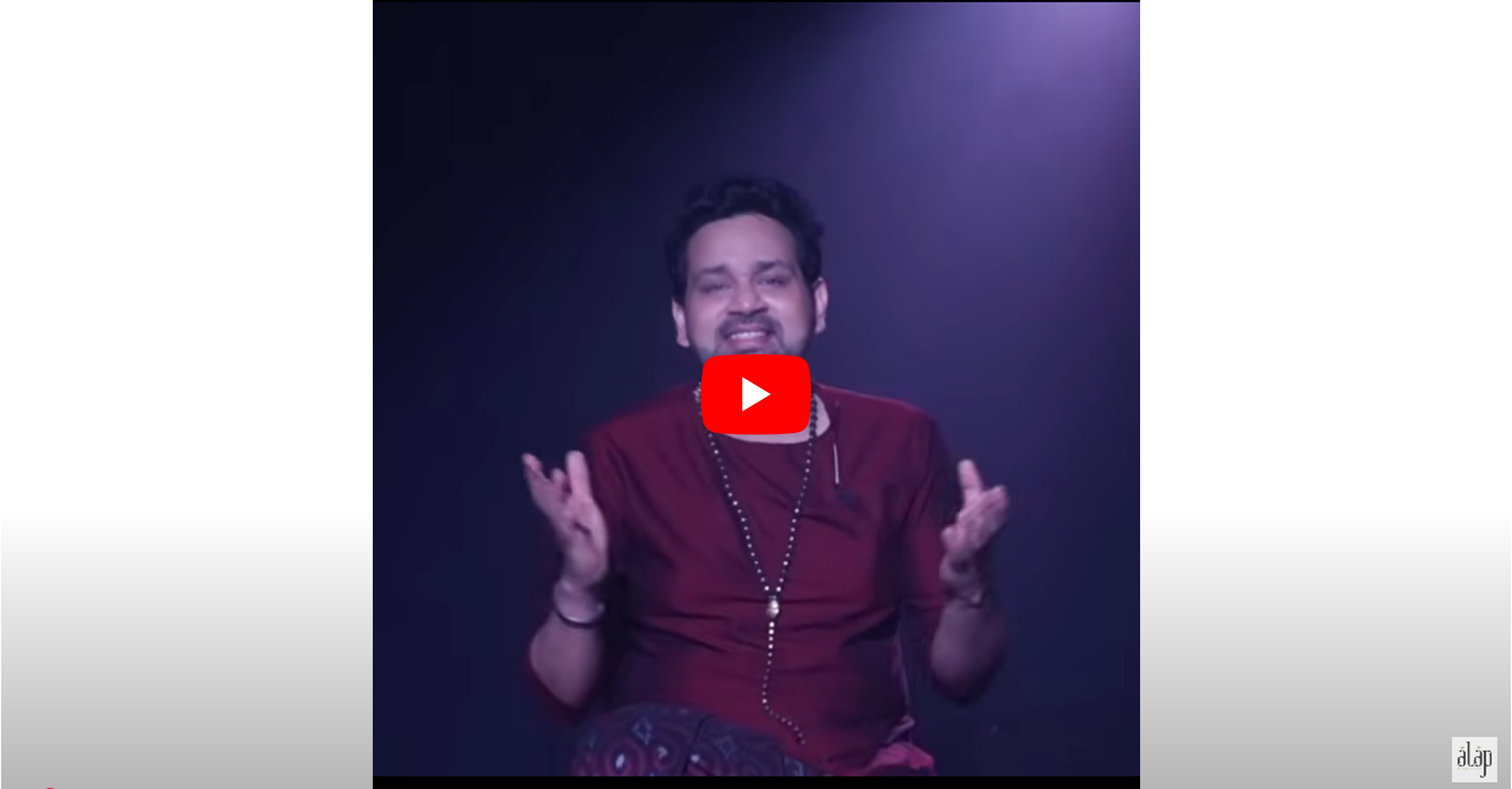
Watch Mohanapriyan Thavarajah respond to the question above
My cross-cultural collaborations across Southeast Asia have expanded my design vocabulary in profound ways. This exposure taught me that dance costumes need not be confined to Kanchipuram silks alone; they can be enriched by the best textile and craft traditions found across the Asian region.
Indian aesthetics have long travelled through religion, trade, and cultural exchange, leaving traces in architecture, textiles, ritual arts, and visual traditions across Southeast Asia. Engaging with these contexts has freed me from feeling “contained” by a single aesthetic. Instead, I find inspiration in breathtaking temple architecture, intricate painting techniques, unique regional weaves, and traditional crafts.
Each tradition has its own beauty. The art and the signature of MOHA lies in understanding how to bring these influences together with sensitivity and purpose embracing innovation and sustainability.
That cross-cultural exposure has shaped my design language into something more expansive, layered, and proudly Asian.