


Janani Hamsini
Musician
Janani, you are probably still recovering from a very hectic performance season in December and January, right? What were some of the ‘Season’s’ key highlights for you?
Yes, it has indeed been a very hectic, yet fruitful performance season. I truly believe it is a privilege to be exhausted from the work you absolutely love doing. That way, I think pursuing an art form makes even exhaustion happy and satisfying.
This Season will be a particularly memorable one, the highlights being a few “firsts” that came my way.
This Season had me making my vocal debut for Vilasini Natyam - I had the wonderful opportunity and honour to collaborate with and sing for an elaborate presentation by the legendary Vilasini Natyam exponent, Padma Bhushan Swapna Sundari Ma’am.
Having been a solo vocalist for a major portion of my career and after just a few years into singing for Natyam, it was also indeed a notable moment for me to have debuted at the Madras Music Academy’s Dance Festival this season, where I had the honour of singing for the inimitable Vidhya Subramanian Ma’am.
You see, musicians in dance often come under the scanner by the industry because they are either over booked or don’t give dancers enough time for rehearsals. What is your take on this and how do you navigate this?
I believe every musician has an understanding of their own personal and professional bandwidth, and takes up commitments based on how much they can accommodate in a given time period. As musicians - we are also looking to experience the depth of the season as much as possible, because this is “that time of the year” every artist is usually looking forward to. So, it is only natural that musicians do not want to miss out on the plethora of opportunities coming their way in the most important time of the year.
On the other hand, it is also completely valid that dancers need a certain number of rehearsals to make sure there is no compromise on preparation. I believe there should be a middle ground that both musicians and dancers have to aim at arriving, right at the time of musicians coming on board for a recital so the rest of the process is hassle free.
I personally space out my commitments in a way that I am not overbooked in a given week, so I make sure I don't end up in a situation of an early burnout during a long season. In addition, I discuss every small detail before coming on board - number of rehearsals expected along with a tentative rehearsal schedule, list of pieces, etc. I also make sure I connect with dancers virtually to discuss the flow of the music, repetitions, creative expectations, etc before the actual rehearsals, so the dancer gets to make use of the full rehearsal duration completely for rehearsing the pieces, without any spillover of time. That way, even if there are fewer rehearsals done (than what was expected) , the time spent is solid and effective.
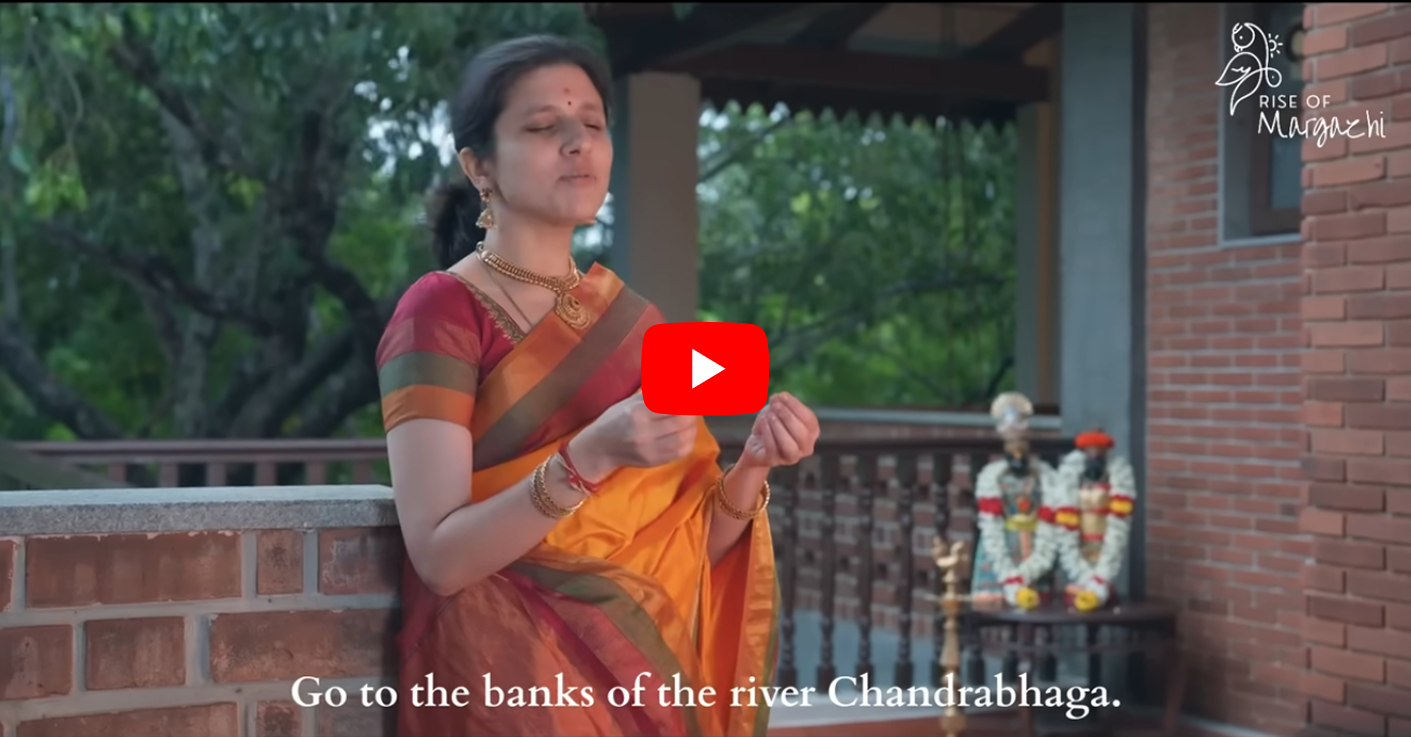
An Abhang x Madhurageetham collaboration titled "Spirit of Pandhari", with Vid. Vishwajeet Borwankar and Vid. Kruthi Bhat, for Spirit of Margazhi's series of releases in Margazhi 2025-2026. This also included a Natyam collaboration with Shri. Parshwanath Upadhye and his disciples
Did you choose to be a musician for dance or did dance choose you to be its musician? How did that happen?
I must say dance not just chose me, but has also embraced me into its fold completely.
Like I previously mentioned, I had been a solo vocalist for a major portion of my career, presenting my solo concerts at sabhas, completely unaware and away from the dance space. I had sung for a dance recital back in 2017, but I probably had no understanding of the artform back then and also did not particularly look to continue singing for dance.
It was only in June 2023 that I made my proper entry into the dance field, with two recitals for which Sheela Unnikrishnan Ma’am brought me on board - it all happened so unexpectedly. It all did feel so new in the beginning, I was definitely nervous about whether I would be able to fit in, and took some time to understand how I could eventually add value. One recital after the other, opportunities started pouring in, and before I knew it - I had fallen in love with Natyam and singing for Natyam, even as someone who has not learnt the artform formally. After that, there was no looking back. Now, I continue to happily choose dance everyday, with immense gratitude for everything that it has given me.
“Music is like a habit; it is muscle memory. Most importantly, music is worship. Getting to pursue something I love and living my life’s purpose means - work doesn't seem like a task ”
As a musician working in dance, how do you prepare for a performance? At what stage, do you step in?
Preparation begins from the time I come on board for a performance.
Once I am on board, I make sure to receive the list of pieces from the dancer, along with any reference music, lyrics available, etc.
I maintain something called a “preparation plan” which is precisely, a day-on-day schedule of what pieces I will learn on a particular day, how many days I will need to learn a particular piece, etc. I allocate a stipulated time frame to every recital and make sure each recital’s song list gets the time it needs. Most importantly, I follow this schedule to the dot.
Once I've learnt the pieces, I discuss repetitions, Sancharis, and other specifics with the dancers beforehand, so I'm fully prepared to head to rehearsals. And then comes the rehearsals where we finally start building the main picture.
What is your own sadhana in music like?
Music is like a habit; it is muscle memory. Most importantly, music is worship. Getting to pursue something I love and living my life’s purpose means - work doesn't seem like a task, it is an enjoyable process which is effortlessly part of my everyday life.
I spend a major chunk of my day ideating, meticulously preparing for recitals, writing and notating various pieces, and so on, along with my regular voice practice and warm up. So, I would say - my Sadhana in music is both spiritual and mundane, which is what makes it beautiful and enriching.
From your perspective, is there a shortage of well - trained or dedicated musicians in the dance field today? Why or why not?
No, absolutely not. I believe the field has some phenomenal musicians who are not just well trained, but also extremely dedicated.
We see how audiences are not just appreciating dance and dancers, but are also now slowly recognising the musicians who add colour to the performance. This is a testament to the value the musicians bring to a performance, which is not possible without dedication.
Also, there could be many other artists in the field who have probably not gotten their due share of the spotlight yet, and are waiting to bring immense creativity, knowledge and dedication to the table.
So I truly believe the dance field is only getting better in terms of the number of talented and dedicated musicians coming in.
When it comes to collaborations, do you usually choose the dancers you work with, or do dancers approach and select you? Why is choice important especially in a world where the number of dancers are aplenty?
It happens both ways. Sometimes I choose the dancer I want to work with, based on my bandwidth, dates, expectations from the dancer, any previous experience of working with the dancer, the nature of the project / production, etc.
Sometimes, dancers also approach and select me if they've heard me sing elsewhere for another artist and felt I would be able to bring value to their performance too.
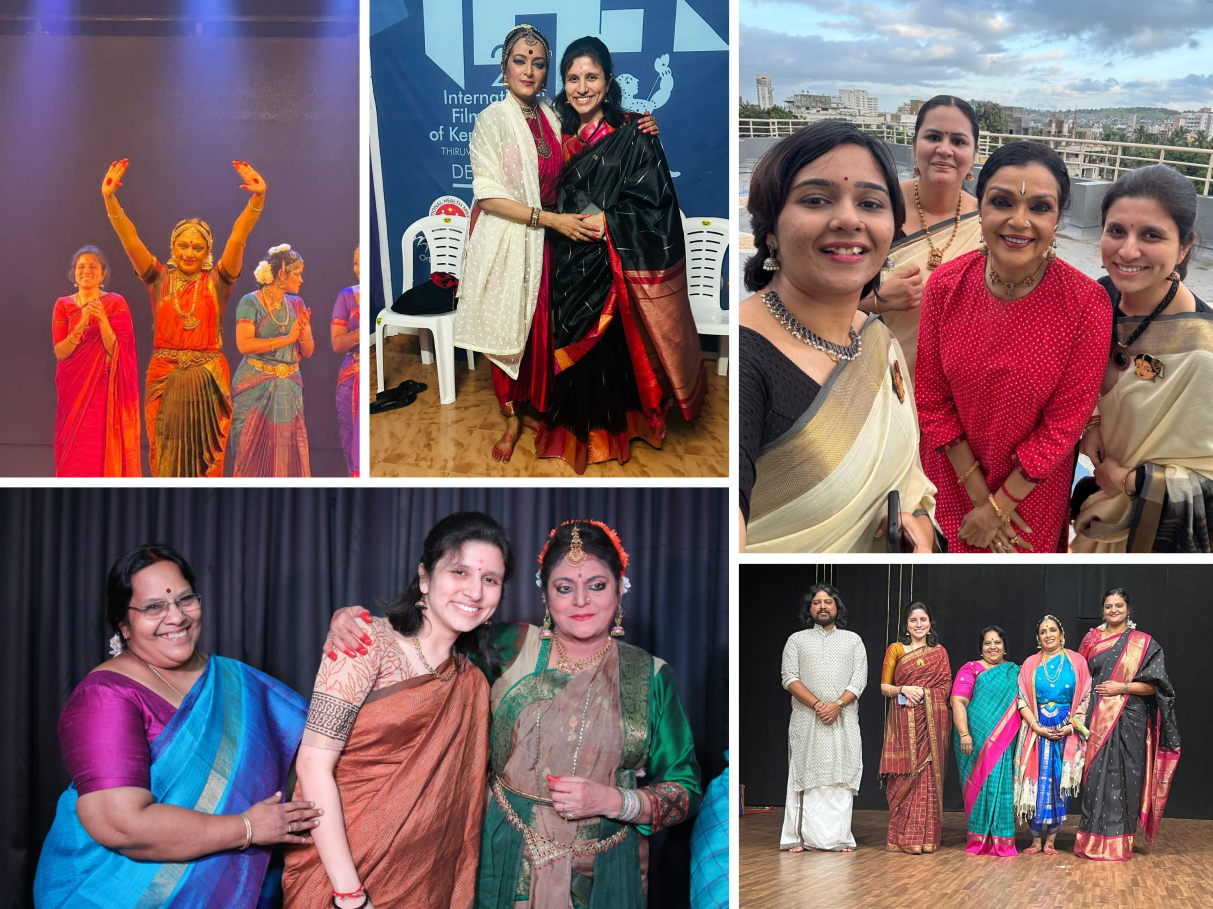
Janani Hamsini with Shobana Chandrakumar , Vidhya Subramanian, Anita Ratnam, Swapna Sundari and Sasirekha Rammohan , Uma Sathya Narayanan
Choice is important because the time and energy a musician can spend is very finite. For vocalists especially, there is only a certain number of recitals one can take up in a month, to make sure we use our voice judiciously and don't end up straining beyond a point.
Vocalists also have to attend more number of rehearsals on an average than instrumentalists, which means - to that extent vocalists will have to cut down or plan their other commitments accordingly, in a way that helps us meet the expectations of every dancer we work with.
Above everything, it is only natural and valid that not all dancers may necessarily like, relate and resonate with my music or artistic perspectives, so it is important to see if my music or my style of singing will (or will not) enhance the performing experience for the dancer, and then come on board for a recital accordingly.
How would you describe the symbiotic relationship between a dancer and a musician? What makes it truly work?
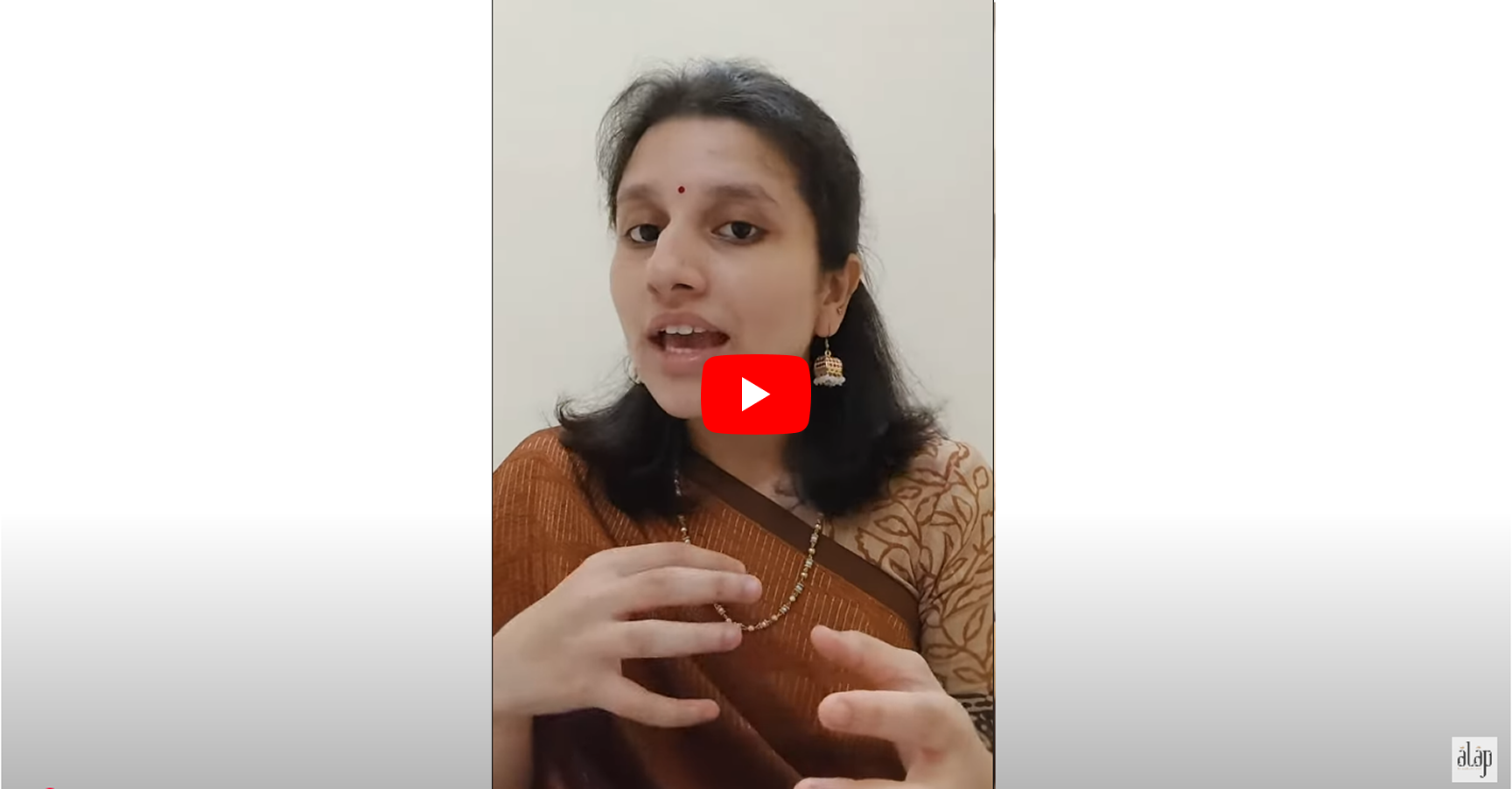
On stage, much of the communication is non-verbal. How do you “come alive” in performance and connect without words?
Understanding the strengths of the dancer and bringing creative value in a way these strengths are highlighted is the main ingredient in successful non-verbal communication. Sometimes, less is more. The extempore parts of a recital often take different forms every time it is presented, and therefore excessive “planning” leads to rigidity, and eventually hinders the flow of creativity. The key word here is - Balance. There has to be a fine balance between the planned and the unplanned aspects in the process, for the non verbal communication to flow.
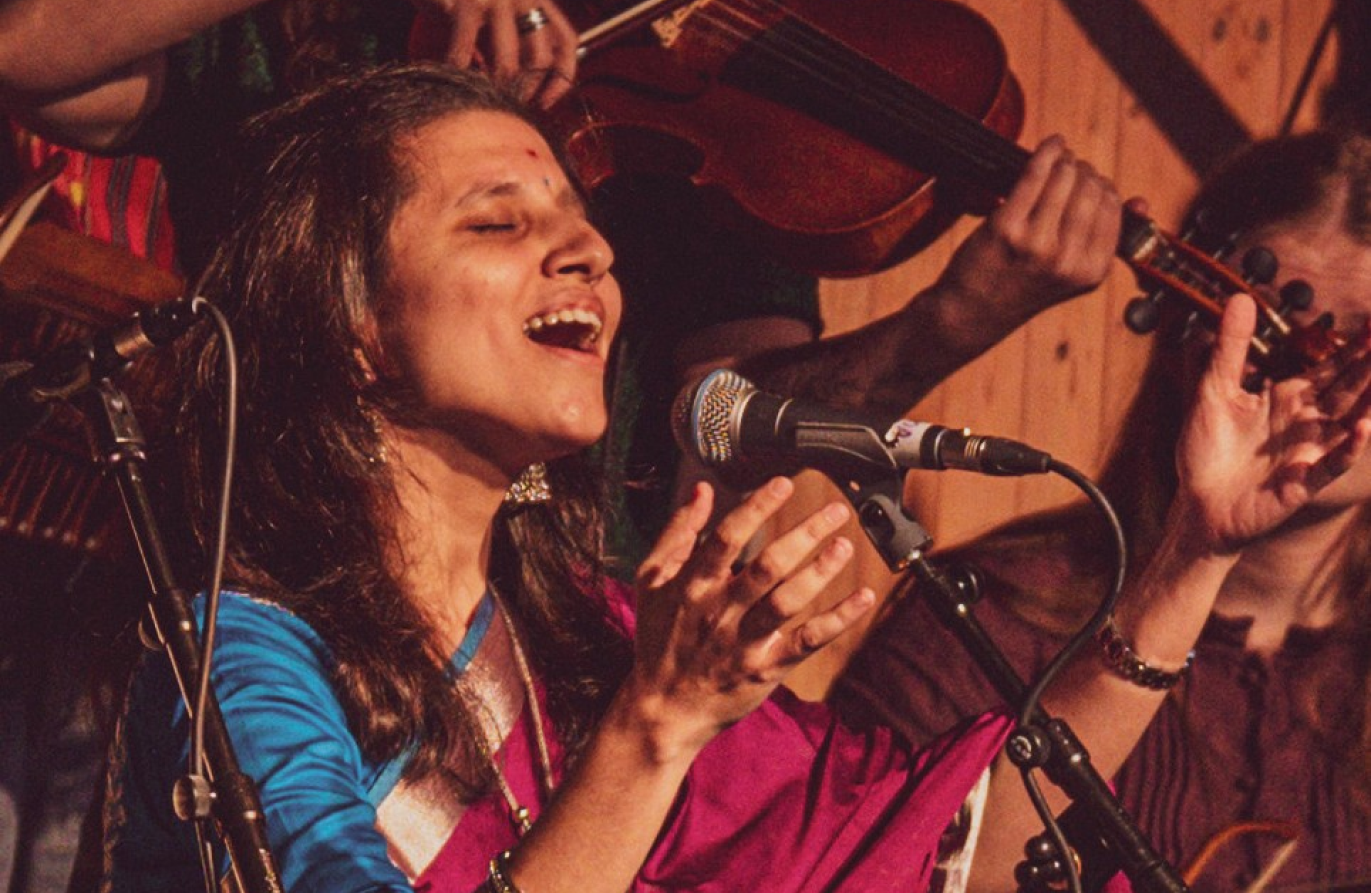
How does your role change when accompanying abhinaya-heavy pieces versus nritta-based items?
While Nritta pieces require musicians to not just bring in a sense of order ( in terms of sticking to a fixed number of repetitions ) , but also musically emote along with the dancer to aid storytelling and highlight the dancer’s movement (for example, Sacharis), Abhinaya pieces are more about becoming the dancer themselves while still being seated in the orchestra. Abhinaya pieces require musicians to feel and live the emotion, despite not physically emoting it. Translating the music into conveying an intended emotion is a key requirement in presenting Abhinaya pieces.
Do you have favourite dance pieces or compositions that you particularly enjoy performing? What draws you to them?
This is a very difficult question to answer because as a musician, every piece is just as special as the other.
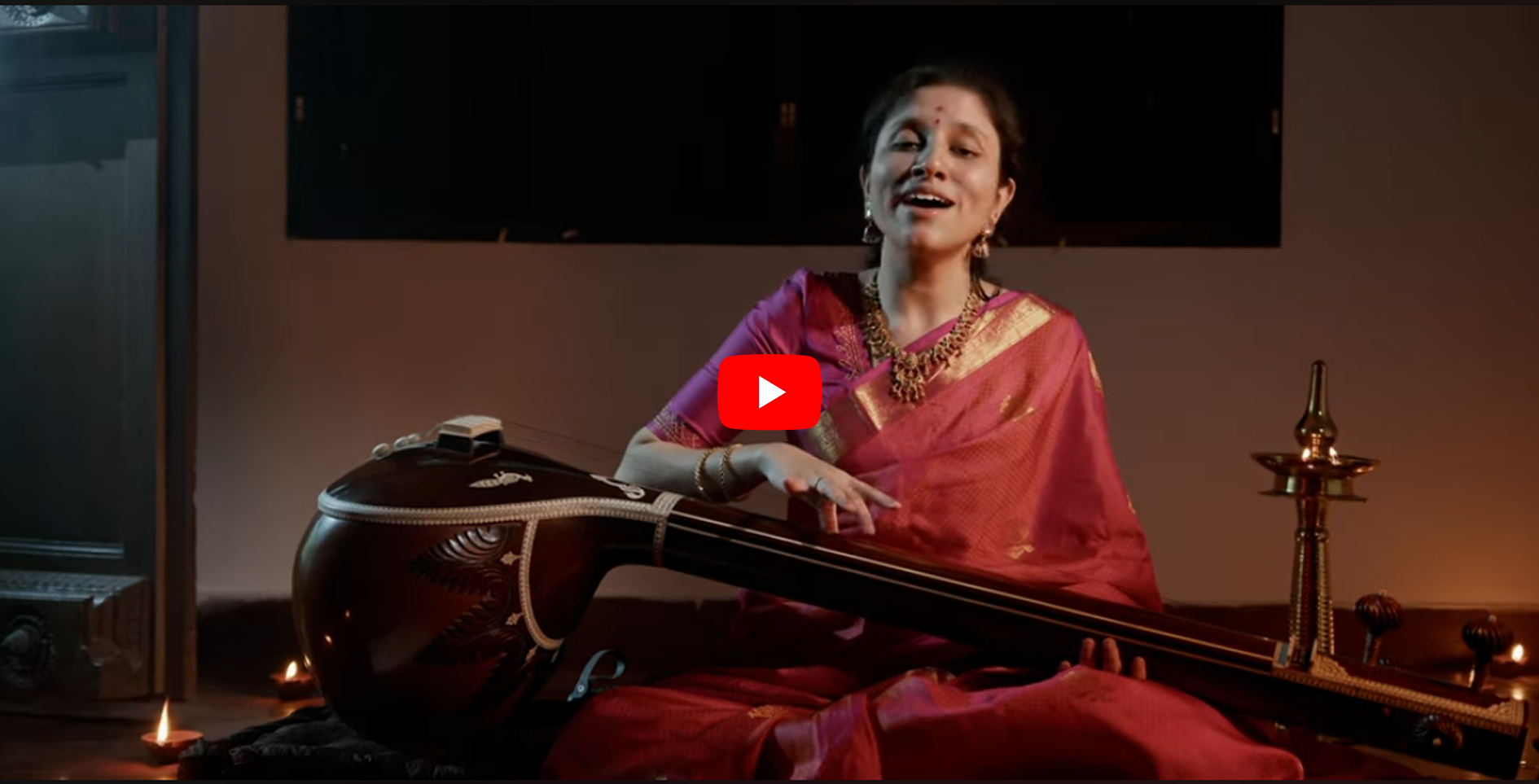
Dheera Sameere, taken from Shri Jayadeva's Ashtapadis, and presented the traditional way (as done in the Namasankeerthana Paddathi) as a part of Spirit of Margazhi's Ashtapadyamrutham series in Margazhi 2024 - 2025.
But to broadly mention, I particularly enjoy presenting Abhangs and Ashtapadis as Abhinaya pieces - I have had the opportunity to learn many such pieces in some of my most favourite Ragas.
I particularly enjoy presenting pieces that allow me to explore a raga from both the Carnatic and Hindustani lens, because I'm equally passionate about both the systems.