


Deedhita Singha
Bharatanatyam Dancer
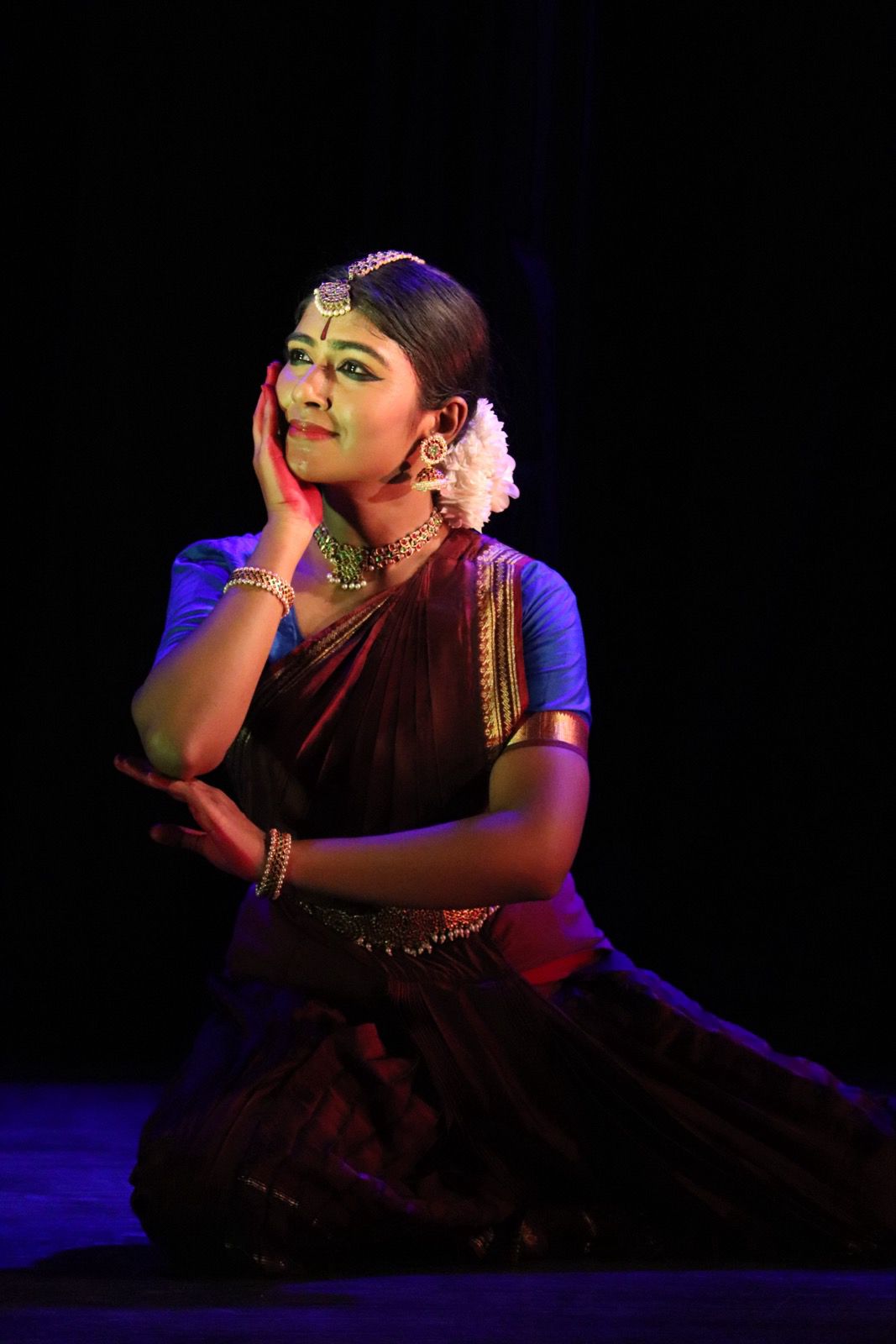
You have been dancing for over a decade now. Did you find Bharatanatyam or did Bharatanatyam find you?
That’s a difficult question, but I honestly feel Bharatanatyam found me. I was just a child who loved to dance, and my mother enrolled me in a Bharatanatyam class in Delhi simply because it was close to our home. Initially, I simply grew up with the dance without realizing what it would become for me.
Somewhere along the way, the mirror while I danced, made me feel beautiful, and the geometric precision of Bharatanatyam gave me shape—almost an identity. As I grew older, I consciously chose to stay with it. Today, Bharatanatyam is not just an art form I practise; it’s the language through which I think, feel, and express myself.
You did your Arangetram at 14. That’s quite young. Looking back now, is there anything you would do differently at your Arangetram?
I cherish every moment of my Arangetram because it marked the beginning of my artistic journey. Looking back, I think I would focus more on internalising the emotions rather than just executing the choreography.
I remember performing the Meenakshi Varnam without truly understanding the power and identity of Shakti, of Devi Maa. Today, I would dance it with a much deeper emotional and spiritual connection.
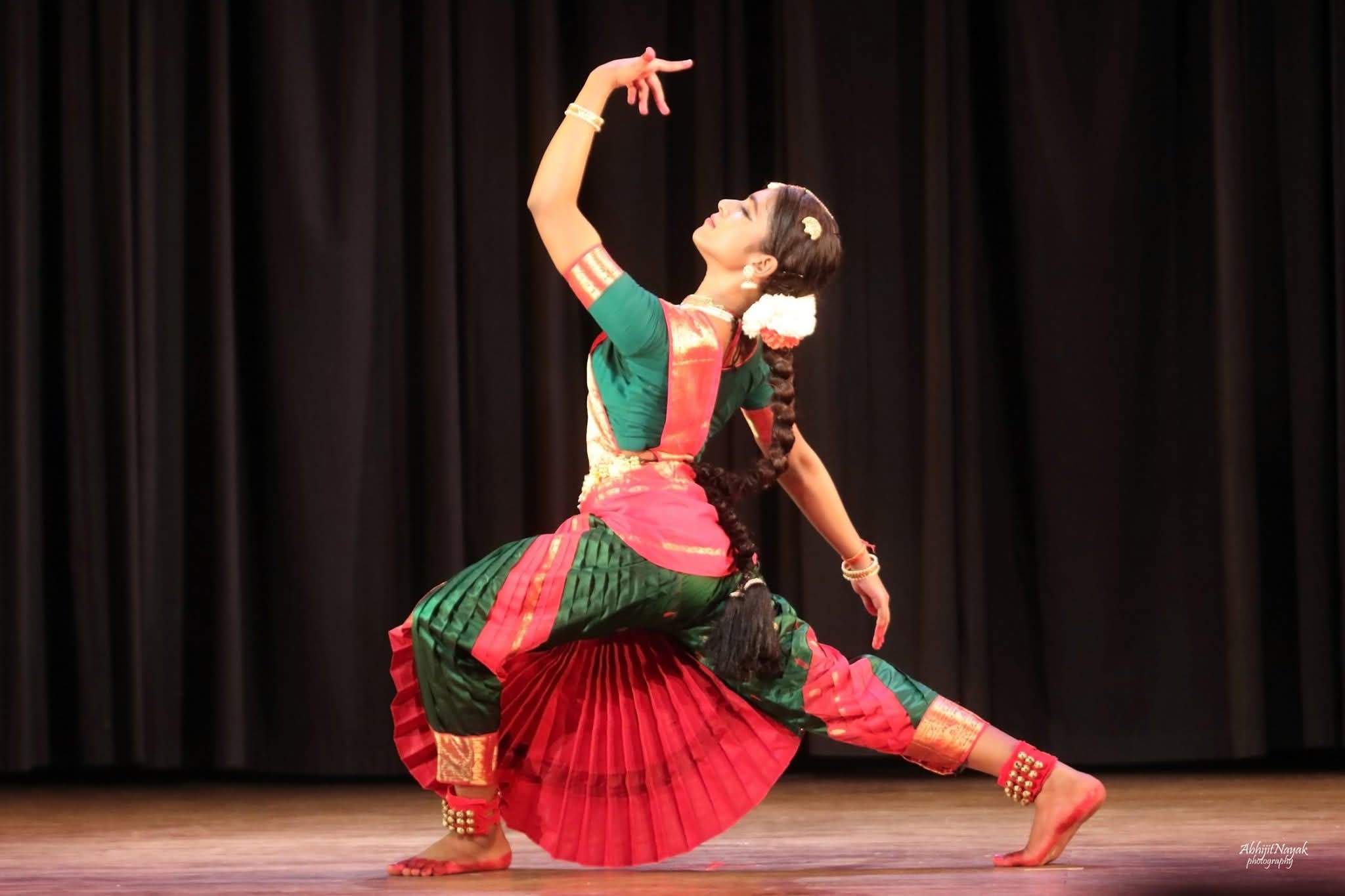
Deedhita Singha as a 14-year-old performing her Arangetram
That said, every stage of an artist’s journey has its own innocence, and I wouldn’t want to change that.
Your Guru Sayani Chakraborty and you are Bengali. Did that make the guru-sishya relationship feel more comfortable or more pressure-filled?
I think being Bengali made communication easier in the beginning because there was a natural cultural familiarity. But beyond that, language and regional identity disappear. The guru-sishya relationship is built on discipline, trust, and surrender.
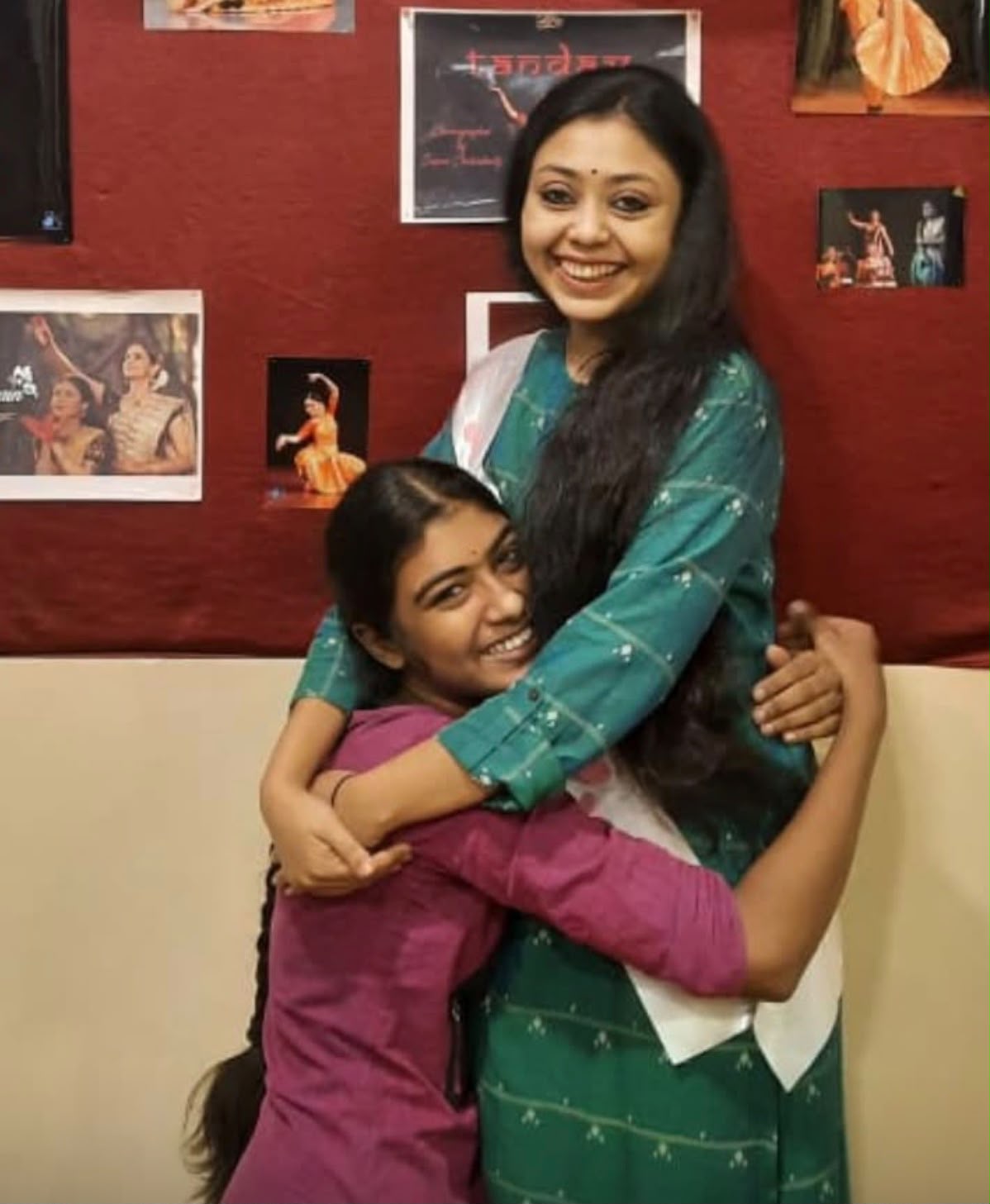
Deedhita Singha with her guru, Sayani Chakraborty in class
Over the years, our relationship has had many dimensions. She has been my teacher, a friend, an elder sister, and at times, even a motherly figure. I stayed with her for a period, and she has watched me grow through every phase of life, not just as a dancer but as a person. She knows my pulse, my thoughts, and my emotions in a way that’s difficult to put into words. That naturally comes with a sense of responsibility—I always want to live up to the faith she has in me.
What’s that one thing your guru always says to you that you won’t forget?
One thing my guru always reminds me is, “Never stop being a student.” No matter how many performances or how much appreciation comes your way, there’s always something more to learn. She also constantly reminds me to stay grounded.
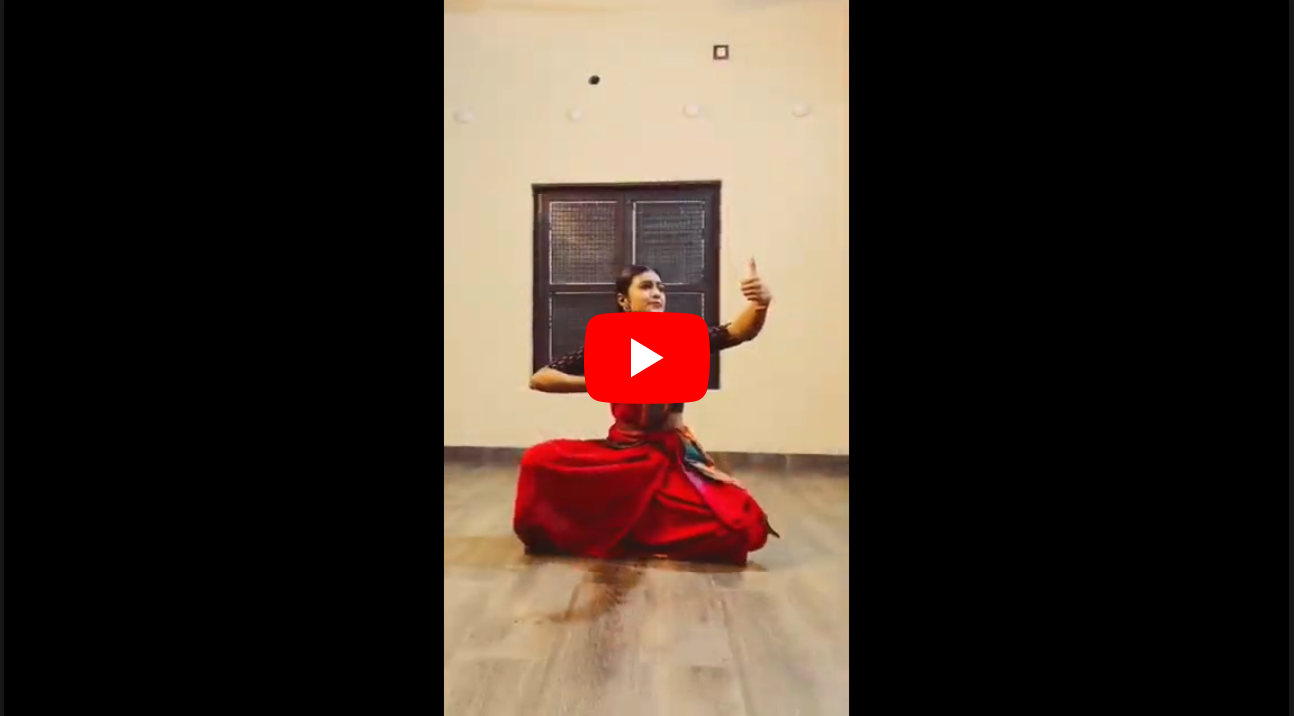
A glimpse into the dedication behind Deedhita Singha's dance
And even though she’s often more nervous than I am before a performance, her last words are always, “Don’t take any pressure. Go on stage like a lioness.” Those words stay with me every single time I perform.
You have performed at huge platforms like NMACC, Dhauli Kalinga Mahotsav, etc. Which of those are your most memorable performances and why?
Dhauli Kalinga Mahotsav holds a special place in my heart. The rehearsals were intense. Long days in a short span of time but they were also filled with so much joy and learning. I’m deeply grateful to Arupa Di for trusting us, and performing in the spiritually charged atmosphere of Dhauli made the experience even more meaningful.
NMACC was memorable for a completely different reason. I was part of the grand production, Civilisation to Nation, where nearly a hundred performers and over three hundred people across makeup, costumes, backstage, and management came together. It gave me incredible exposure and taught me the importance of teamwork, precision, stage discipline, and functioning as one unit in a production of that scale. It was the first time I realised how many invisible people come together to make one performance happen.
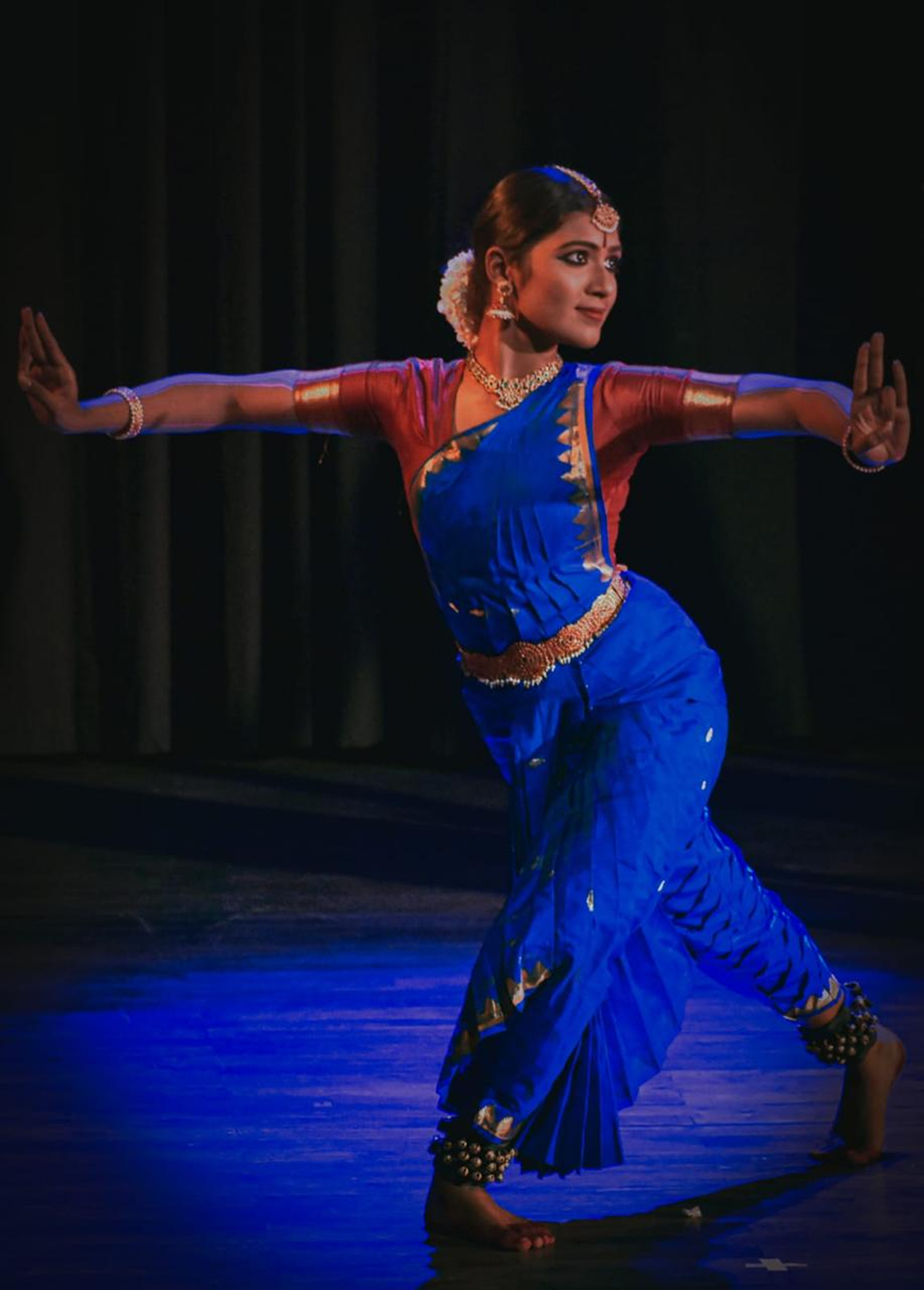
At Gyan Manch, Kolkata
What was it like to perform during the ICCR tour to Bulgaria in front of a European audience?
It was an unforgettable experience. Even though many in the audience may not have understood the language of the compositions, they connected deeply with the emotions, rhythm, and storytelling. It made me realise that art truly transcends language and geography.
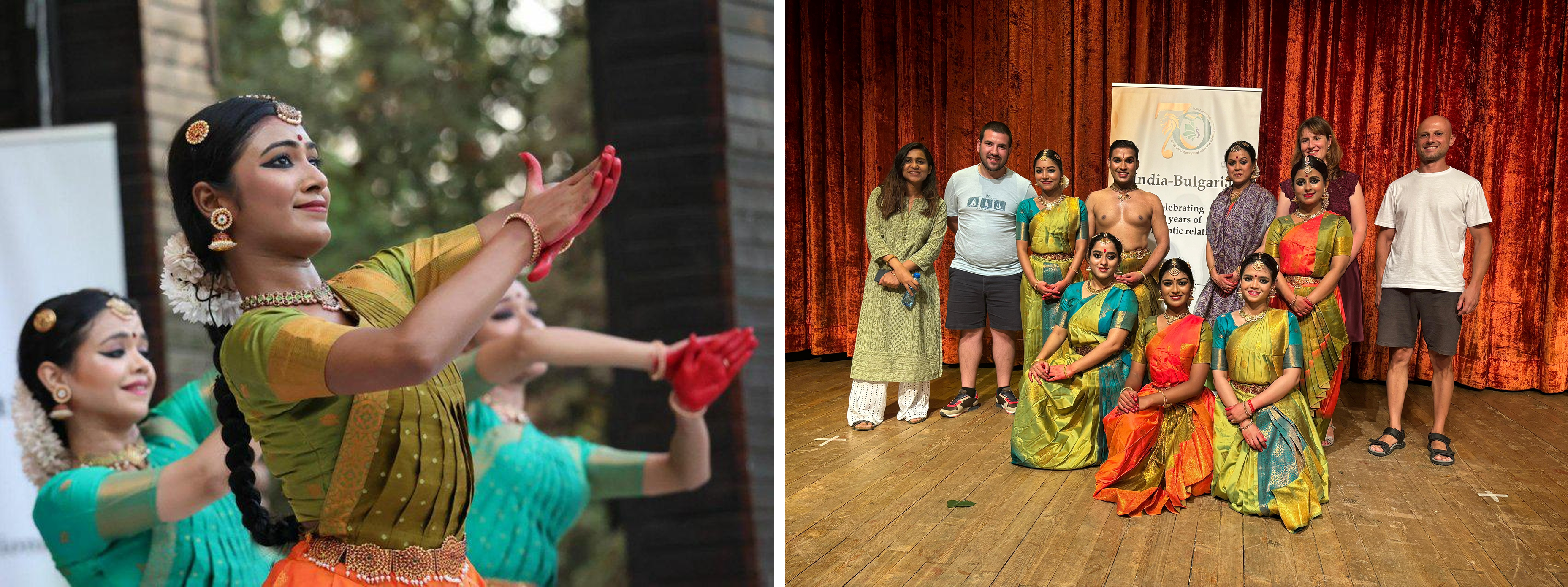
When Indian tradition meets a global stage—ICCR Tour, Bulgaria
What touched me even more was their curiosity. They had so many questions about Bharatanatyam, our traditions, the makeup, the costumes, and the significance behind everything. Their enthusiasm and genuine fascination with our art form made the experience incredibly special and reminded me that Bharatanatyam is truly a universal language.
Was language a barrier, being a Bengali and choosing a South Indian classical dance form? What challenges did you face?
Initially, yes. Understanding compositions in Tamil, Telugu, and Sanskrit required extra effort. But I gradually realised that Bharatanatyam is not about merely understanding the language, it’s about understanding the emotion behind the words. I continue to study the literature, meanings, and cultural context of every piece I perform. It’s an ongoing journey of learning, not just as a Bharatanatyam dancer, but also as a student of India’s rich artistic and cultural heritage.
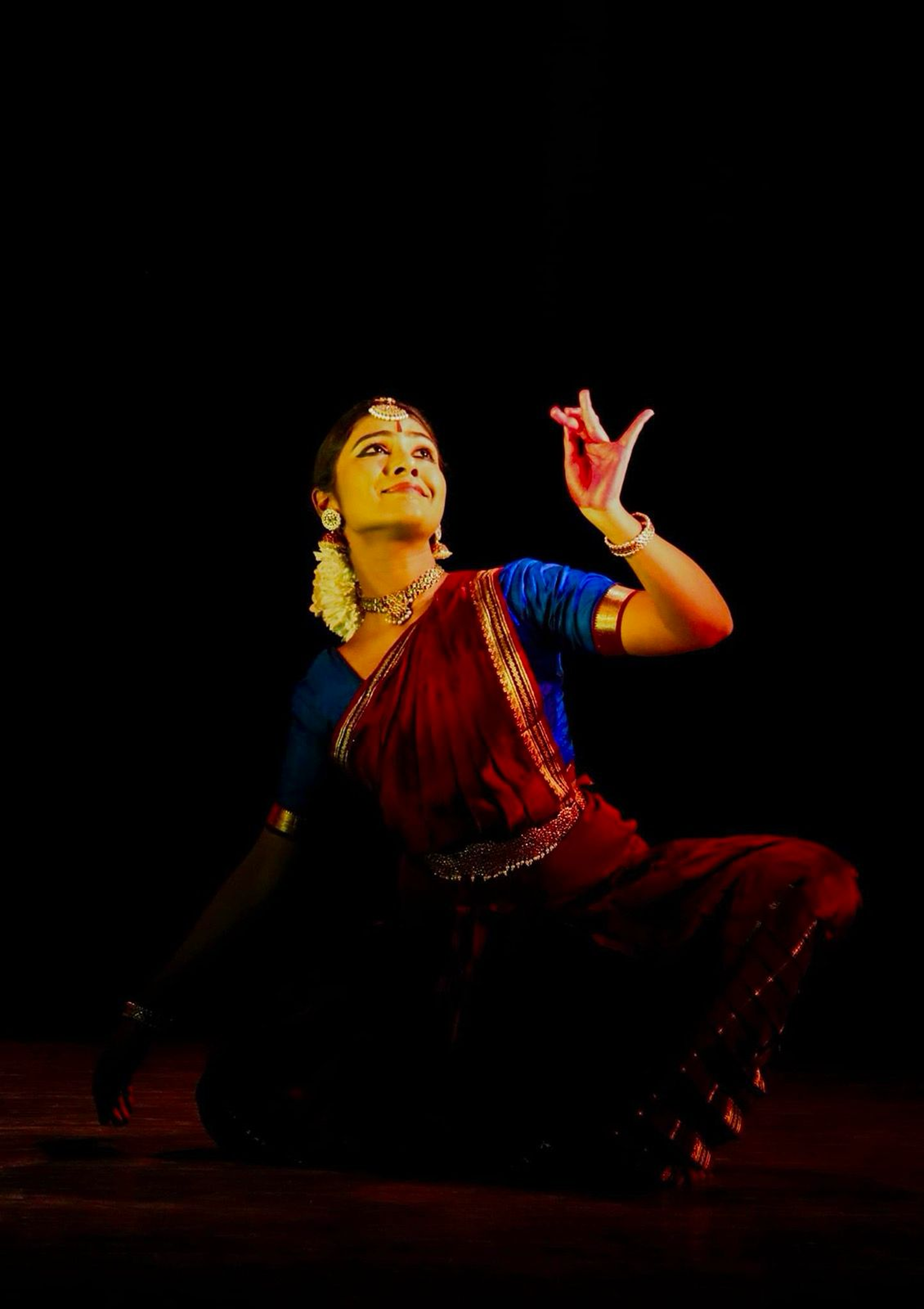
Photo by Arijit Roy at Navapallava, Spic Macay
In all these years of performances, which composition, raga or emotion is your personal favourite? And why?
If I had to choose one emotion, it would be Bhakti. I feel it has immense depth because it holds love, surrender, longing, joy, and even silence.
Deedhita Singha performing a vibrant jathi
I was fortunate to grow up in a home filled with music. My mother is a music professor, so from a very young age I was surrounded by different ragas. Even before I understood their technicalities, my ears had begun to recognise their moods and emotional colours. I think this naturally helped me associate different ragas with different emotions and appreciate the unique emotional identity each one carries.
Performing at the Spirit of Youth Festival, is there anything new or different you are trying to perform that you haven’t done before?
Until now, I’ve approached every performance as a challenge, always wanting to do complete justice to the choreography, the music, and the stage. That remains my priority. But with the Spirit of Youth Festival, I also want to approach it with the mindset of a learner.
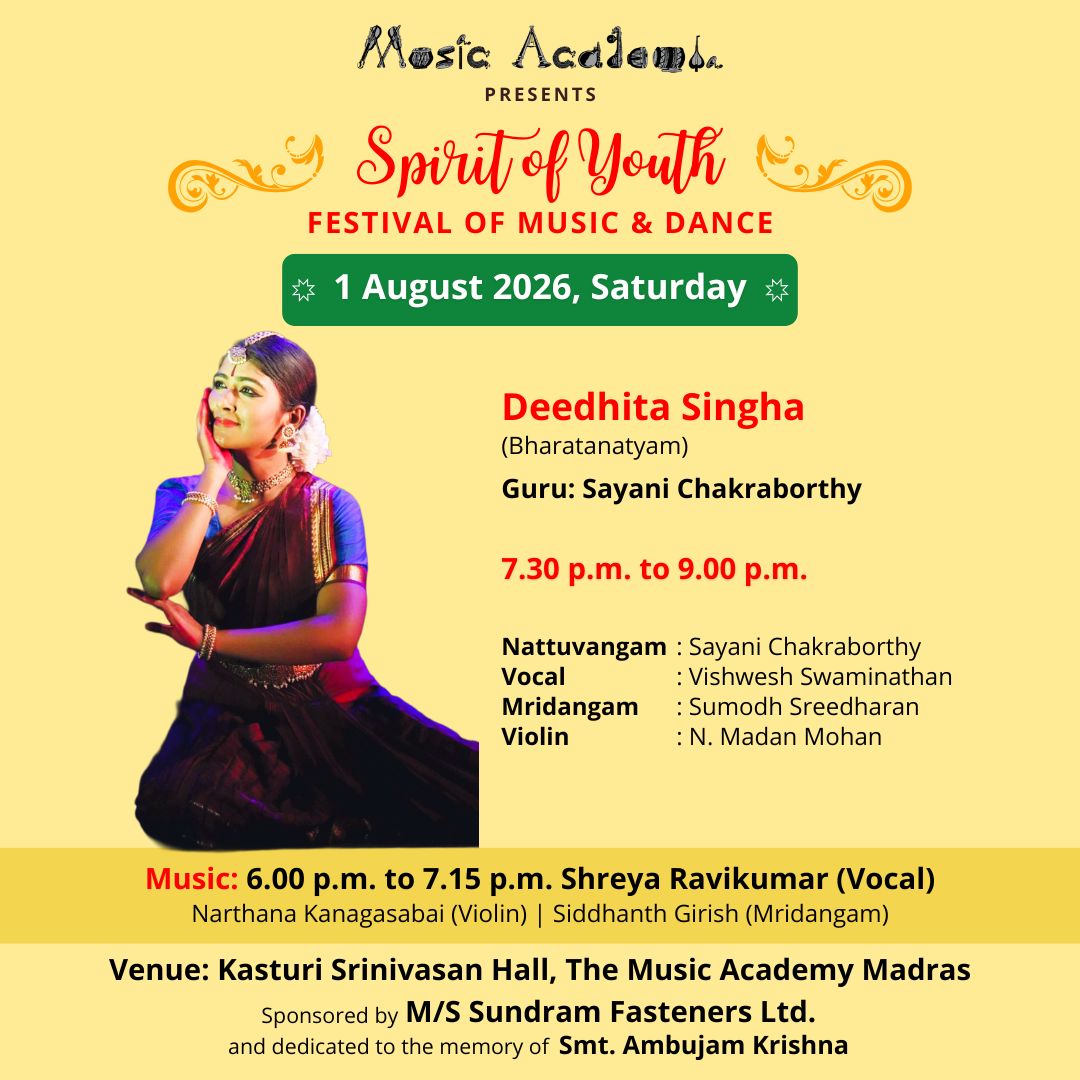
This is a dream platform for every classical dancer, and alongside the responsibility of performing well, I want to explore, learn, feel, and truly live every moment on stage. I want to absorb everything this experience has to offer—not just as a performer, but as a student of the art.
What’s that one thing or emotion that connects you personally with this particular dance form?
For me, Bharatanatyam is a prayer. It’s the one place where I can be completely honest—with my emotions, my discipline, and myself. Whenever I dance, I feel a sense of peace, belonging, and surrender. It allows me to express what words often cannot. I remember first hearing Rama Akka say that dance is macroscopic—we serve, and we leave, but dance remains constant. That thought has stayed with me ever since. It reminds me that we are only temporary custodians of this timeless art form.
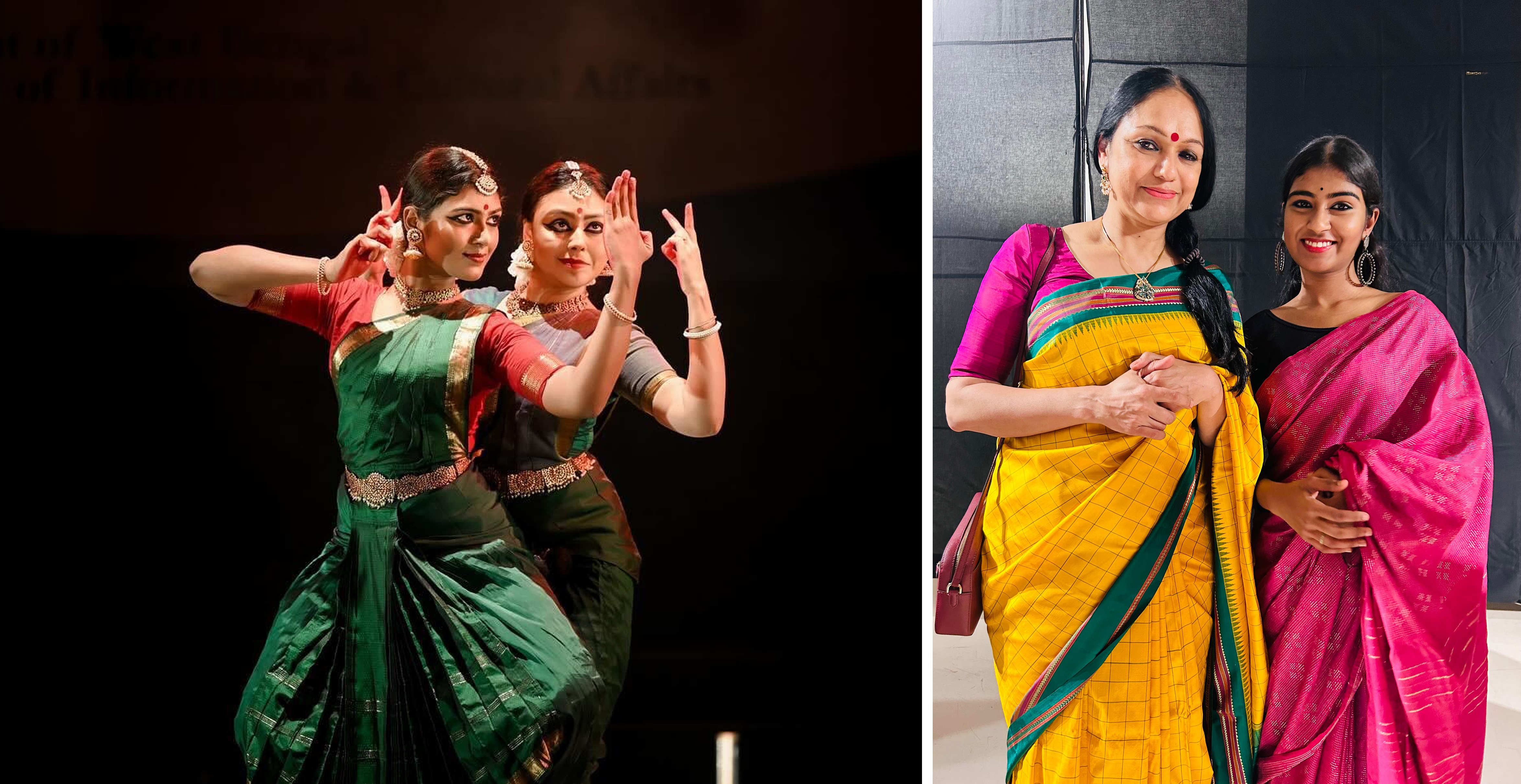
Deeditha with her teacher, Sayani; Deeditha with her guru’s guru, Rama Vaidyanathan
No matter where life takes me, I know I’ll always return to Bharatanatyam, because that’s where I feel most connected to myself and to something much greater than me.
