


Archana Murali
Arts Manager, Senior Associate ArtSpire & Musician
You didn’t set out to build a career in arts management. What first drew you towards the world behind the stage?
Honestly, it was pretty accidental. I had no idea what I was getting into and knew very little about arts management when I started. It definitely wasn’t some strategic career move; it just happened. But over time, it never really felt like I was moving away from being a musician. If anything, it felt like I was looking at the same world from a different angle.
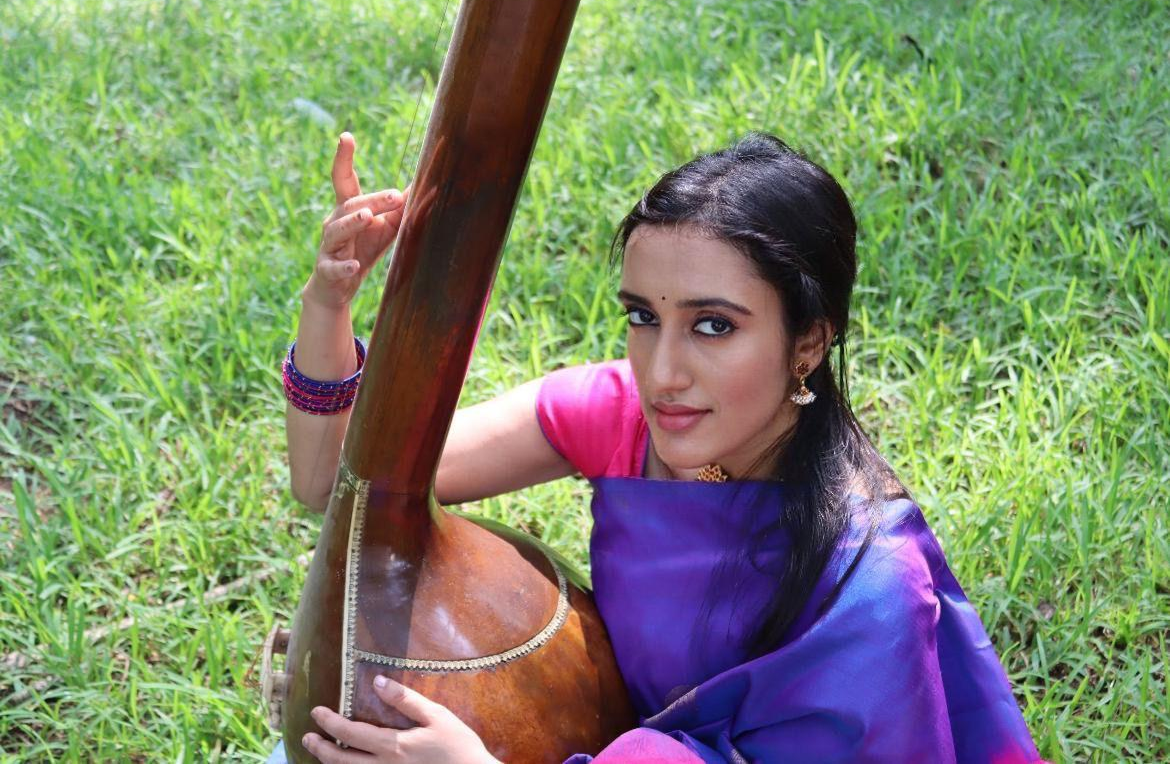
Archana Murali in her musical avatar. Picture by Wahida Parveen
I had just started performing, and I slowly began noticing how much happens behind the scenes — the programming, marketing, logistics, how a festival is put together, or how a large production actually comes together. I found that side of things really interesting. So, while it wasn’t a conscious choice in the beginning, it started making a lot of sense to me as I went along.
When you first entered the arts sector, what did you understand about the ecosystem — and how has that understanding changed over the last four years?
Honestly, I had very little idea what I was getting into. I had just started performing, was fresh out of college, and was still figuring out what a job could look like for me. I got the opportunity to intern with ArtSpire, and that is really how I entered the sector.
I had done internships during college, but that is very different from actually being part of the sector. Internships give you a glimpse, but at ArtSpire I got to work on real projects and understand how the different pieces of the ecosystem connect — artists, organisations, festivals, audiences, funders and everyone working behind the scenes. I learned a lot by actually doing the work, making mistakes and figuring things out along the way.
Carnatic Musician Archana Murali performing at The Ashvita’s Art Gallery, Chennai
Over the last four years, my perspective has definitely become much broader. ArtSpire has given me the chance to work across different kinds of projects and with different people in the sector, so I have come to understand that there isn’t really one way the arts ecosystem works. It is constantly evolving, and there are so many people and processes that contribute to what audiences eventually see on stage.
Your background in Economics also makes you particularly data-and research-driven. How does that influence the way you approach audiences and communication?
Yup! Honestly, the Economics background sneaks into how I think about this job more than people expect. I don’t just go with gut feeling on programming or outreach; I look at what’s actually working — like which shows are getting repeat audiences, what times or formats people respond to, and where our communication is landing versus falling flat.
Even something as simple as noticing which posts actually drive ticket sales versus which just get likes has changed how we plan communication for a programme.
After four years of working in arts management, what has been your biggest learning about what it takes to build a sustainable arts ecosystem?
Sustainability isn't just financial; that's the trap a lot of people fall into. It's also about pacing, about not burning out the artists and the teams behind them, and about building audiences that actually return, not just show up once for a viral moment. The ecosystems that last are the ones designed for longevity, not just a great opening night.
Archana reflects on what four years in arts management have taught her about building a sustainable arts ecosystem in the video above
Artists often end up managing everything themselves. Where do you think an arts manager creates the greatest value?
I think the biggest value an arts manager brings is creating space for the artist to focus on their work. As an artist’s career grows, there are so many things that come with it — negotiations, budgeting, scheduling, communication and coordination. These can slowly start taking up a lot of time and energy.
A manager can take care of those aspects and also help the artist think more strategically about their career. It is not just about getting things done; it is about making sure the artist has the time and headspace to do what they actually want to do, which is to create and perform.
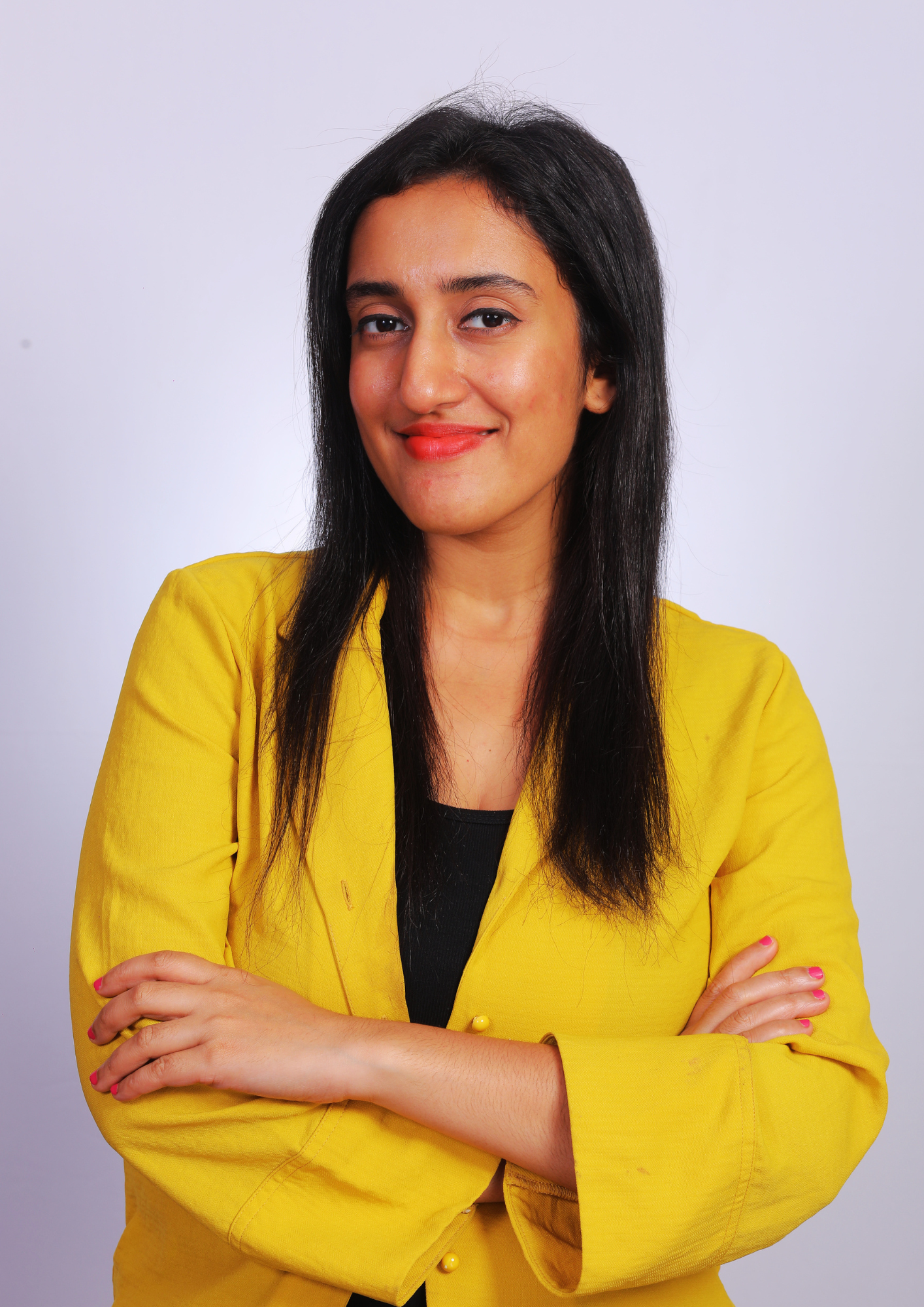
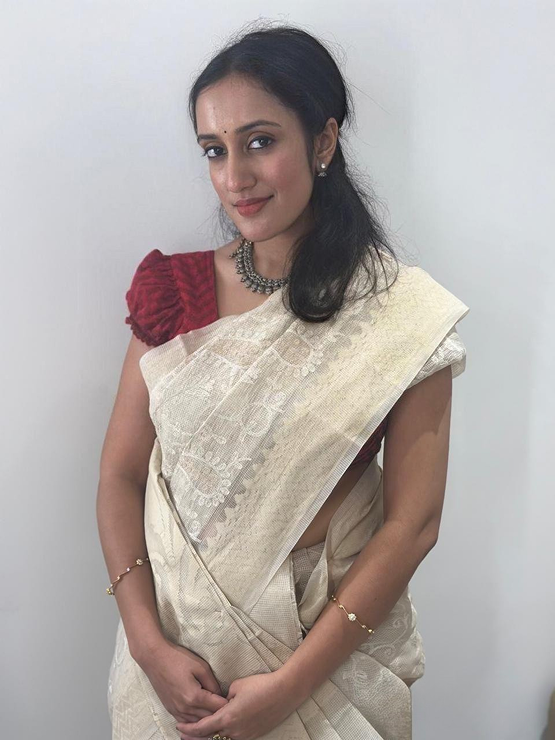
Archana Murali looking sharp in her Arts Manager avatar
As someone who works both within the arts sector and as a musician, what do you think makes someone a good arts manager? Does an artistic background make a difference?
I don't think it's about background, honestly. It is about empathy plus rigor. Being a musician gives me instinct for what an artist needs, which helps. But some of the best managers I have met never performed a day in their life; they just deeply respect the craft and are relentless about the details. The qualities that matter most are curiosity, communication, and actually caring whether the artist thrives — not just whether the show goes off on time.
Watch Archana share her thoughts on what makes an effective arts manager
Success in the arts cannot always be measured through ticket sales. How do you know when a programme has truly connected with its audience?
Ticket sales and audience numbers are definitely important, especially from a marketing perspective. They tell us a lot about how well a programme has reached its intended audience. But I also think there are other things to look at: whether the audience connected with the programme, whether people continued talking about it afterwards and whether it helped build a relationship with a new audience.
I think success can look different for different projects. Sometimes it is about reaching a large audience, and sometimes it is about creating a meaningful experience for a smaller one.
You’ve worked on projects such as Friends in Concert and The Durga Chronicles. What did these experiences teach you about the impact of good arts management?
With Friends in Concert, presented at The Music Academy, marketing and audience outreach was one of the key areas I was involved in. We had a clear goal of getting a full house, so I worked closely with the senior members of the team on the marketing and outreach for the concert. I was involved in reaching out to different audiences, coordinating communications and helping keep the concert visible in the weeks leading up to it. Alongside this, I also supported artist coordination and other aspects of the planning and execution.
Watch Archana Murali share her experience of working on Friends in Concert
It was a great learning experience because I got to see how the different pieces come together — from building awareness and reaching audiences to coordinating with artists and making sure everything was in place for the concert.
With The Durga Chronicles, my role was more focused on marketing, artist coordination, planning and managing different aspects of the project. Since we were presenting it in Mumbai, there was a lot to learn about the city and its audience — understanding how to reach people, how to position the project and what kind of outreach would work.
The project also involved multiple artists, partners and an international collaboration, so there were a lot of moving parts. Working on a project in a new city made me realise that you can’t always approach every project in exactly the same way. You have to understand the place, the audience and the context, and then figure out what will work.
You’ve worked with both musicians and dancers. How different are their needs when it comes to programming and management?
I don’t think the needs are completely different. From my experience of working with both musicians and dancers, a lot of what they look for is actually quite similar. They want to feel that the team understands their work, that things are well planned, communication is clear and that they can come into a programme feeling comfortable and prepared.
Where the difference comes in is more in the technical and practical requirements. For musicians, it is sound, acoustics, instruments and the technical setup. For dancers, it is the flooring, stage dimensions, backstage space and other requirements related to movement and performance.
So, as an arts manager, I don’t think the overall approach changes drastically. The basic principles remain the same, but you have to understand the specific requirements of each artist and art form. I also think having a good understanding of the art form itself is really important; it helps you understand what the artist needs and communicate those needs better to everyone involved.
You’ve built relationships across the arts ecosystem while also pursuing your own journey as a musician. How do you navigate those two identities professionally?
Working in arts management has definitely helped me build relationships across the sector, and naturally, I meet a lot of people through the work I do. But I’m quite conscious about keeping my two roles separate.
When I’m working as an arts manager, I’m very clear about that role, and when I’m approaching someone as a musician, I make that distinction clear as well.
Carnatic Musician Archana Murali performing at Odakathur Mutt, Bengaluru
I’ve never used my work in arts management to create opportunities for myself as a performer. At the same time, I know that working in the sector means I naturally meet and build relationships with people, so I try to be very clear about which role I am in and let my work as a musician speak for itself.